In recent years, a quiet but meaningful shift has been taking place across fashion, film, and cultural storytelling. Indian women are no longer appearing only as symbols of beauty or exoticism—they are increasingly positioned at the starting point of power and perspective.
This year, Chanel chose an Indian woman as the opening model of its show. In the language of fashion, the opening look is never decorative. It sets authority, tone, and intention. To open a show is to hold narrative power, not simply to be seen.
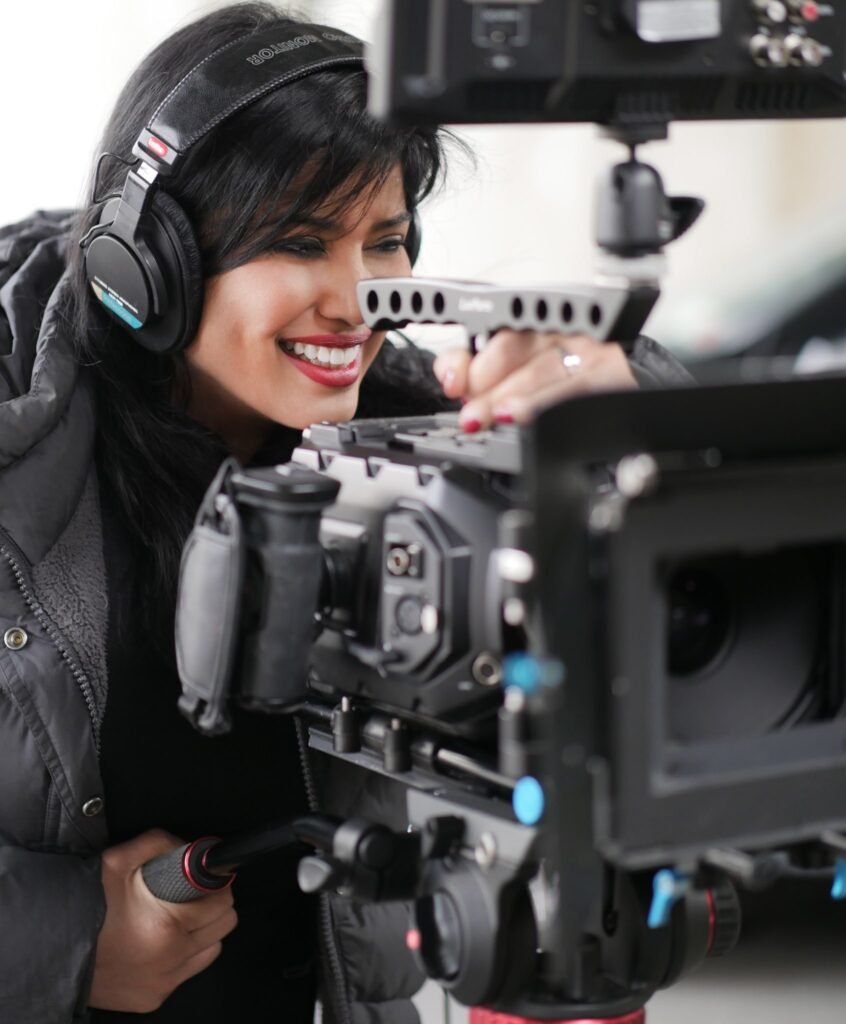
A similar shift can be observed in cinema. In #Models Wanted, written by Milly—an Indian actress and filmmaker—the story does not center on spectacle or shock. Instead, it examines how exploitation operates quietly within professional, legitimate systems. The film’s perspective is not that of a victim seeking rescue, but of a woman capable of observing, understanding, and exposing structure.
This perspective resonates beyond a single film or runway. Across global industries, Indian women are increasingly occupying roles that require judgment rather than display, and agency rather than symbolism—whether as authors, cultural commentators, or figures positioned at the threshold of narrative control.
What connects these moments is not representation for its own sake, but a deeper redefinition of power. The question is no longer who appears, but who opens the story—who is trusted to set the frame through which others will see.
In this sense, fashion and film are speaking the same language. They are acknowledging that authority does not need to announce itself loudly. Sometimes, it appears quietly, through restraint, clarity, and perspective.
The rise of Indian women in these positions signals a broader cultural recognition: power is no longer confined to a single geography or gaze. It belongs to those who can see the system clearly—and choose where the story begins.