The Blake Lively–Justin Baldoni legal dispute has steadily evolved from a private industry disagreement into one of the most closely watched celebrity courtroom sagas in recent years. What began as allegations tied to a high-profile film project has now widened to include some of the biggest names in entertainment, with Taylor Swift’s involvement adding emotional and cultural weight to the case. Beyond legal filings and court appearances, the situation has exposed fractures in once-celebrated friendships, raising questions about loyalty, power, and silence in Hollywood.
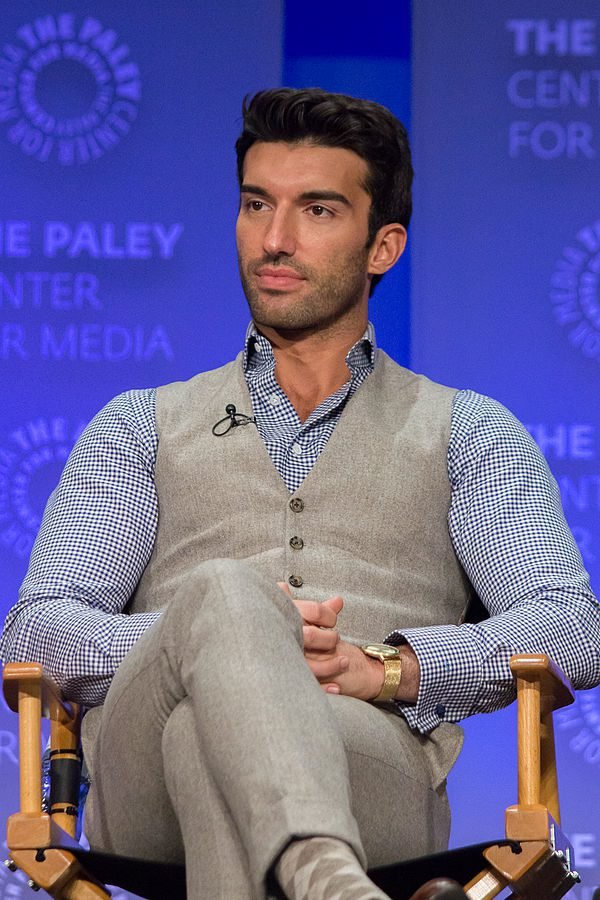
At the center of the controversy are Blake Lively and Justin Baldoni, who starred together in the 2024 film adaptation of Colleen Hoover’s bestselling novel It Ends With Us. The film was highly anticipated, both because of its devoted readership and the pairing of two respected actors with contrasting public personas. During production, there were no visible signs of conflict. Public appearances were cordial, and promotional materials suggested a smooth collaboration. That perception shifted dramatically after the film’s release.
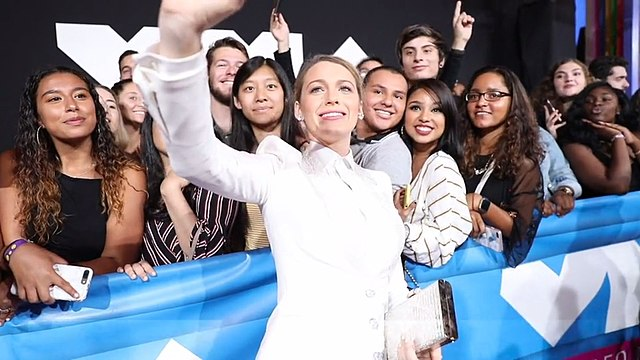
In the months following the premiere, Blake Lively made serious allegations against Baldoni, accusing him of sexual harassment during the filming process. She further claimed that, after she raised concerns, efforts were made to damage her reputation through what she described as a coordinated smear campaign. The allegations sent shockwaves through the industry, particularly because both actors had long been viewed as thoughtful professionals rather than tabloid regulars. Lively’s claims framed the issue not just as a personal grievance, but as an example of how power dynamics can operate behind closed doors on major film sets.
Justin Baldoni responded swiftly and forcefully. He denied all accusations and maintained that the allegations were false and damaging to his career. Rather than limiting his response to public statements, Baldoni escalated the matter legally by filing a countersuit seeking USD 400 million in damages. His legal team argued that the claims had caused irreparable harm to his reputation and professional standing, positioning the case as a high-stakes battle over credibility and intent rather than a simple he-said-she-said dispute.
As the legal proceedings progressed, the list of names associated with the case began to grow. Court documents and filings referenced several well-known figures, including Ben Affleck, Jenny Slate, Anna Kendrick, Hailey Bieber, and Ryan Reynolds. Most of these mentions appeared contextual rather than accusatory, yet their inclusion underscored how interconnected Hollywood relationships can become once legal scrutiny intensifies. Still, none of those names attracted as much attention as Taylor Swift’s.
Taylor Swift’s connection to the Blake Lively–Justin Baldoni case dates back to the early stages of the controversy. Swift and Lively have been close friends for years, often appearing together at public events and family gatherings. Their friendship was widely perceived as genuine and stable, rooted in shared values around privacy, creative control, and personal loyalty. That is why Swift’s name appearing in legal documents immediately sparked speculation about where she stood.
In May 2025, Swift was subpoenaed as a witness in Baldoni’s defamation countersuit. The move surprised many observers, not because Swift had been publicly involved in the film, but because of her personal relationship with Lively. Her potential testimony suggested that she may have had knowledge relevant to the case, either through private conversations or indirect involvement during the film’s release period. While being subpoenaed does not imply wrongdoing, the optics of the situation placed Swift in an uncomfortable position between legal obligation and personal allegiance.
What has intensified public interest is the reported strain between Swift and Lively that emerged around the same time. Text exchanges referenced during proceedings reportedly revealed Lively expressing sadness and disappointment over a growing distance between the two women. The tone of those messages suggested not a dramatic fallout, but a quiet unraveling of trust, the kind that often hurts more precisely because it happens without a clear confrontation. For longtime followers of both celebrities, the idea of their friendship fraying felt unexpectedly personal.
Complicating matters further were remarks attributed to Swift regarding Baldoni, described as sharp and critical in nature. While not framed as formal accusations, these comments added another layer of tension to the case. They reinforced the impression that Swift held strong opinions about the situation, even as she appeared increasingly cautious about public alignment. For someone who has spent years carefully managing her narrative, Swift’s involvement carried symbolic weight, especially given her history of speaking out about power imbalances in the entertainment industry.
From a broader perspective, the Blake Lively–Justin Baldoni legal dispute reflects a shifting Hollywood landscape. In recent years, allegations of misconduct have been met with heightened scrutiny, but also with growing pushback and counter-litigation. High-value defamation suits, like Baldoni’s USD 400 million claim, signal a willingness to aggressively challenge accusations rather than quietly settle or step away. This has created a climate where speaking out can carry profound personal and professional risks, even for established stars.
The emotional undercurrents of the case are impossible to ignore. Beyond legal strategies and financial figures, there are friendships tested under pressure and reputations hanging in the balance. Lively’s reported sense of isolation, Swift’s careful distance, and Baldoni’s insistence on clearing his name all point to the human cost of prolonged public disputes. Fame may amplify voices, but it also magnifies fallout.
As the case moves closer to trial, unanswered questions remain. How much weight will personal communications carry in court? Can long-standing friendships survive the strain of legal entanglement? And perhaps most importantly, what precedent does this set for how allegations and defenses are handled in an era where public opinion forms faster than verdicts?