For a long time, having a Gmail address felt like a permanent mark on your online identity. A lot of people made their accounts when they were teenagers and picked names that later seemed unprofessional or out of date, but Google’s system didn’t give them much leeway to change them. That strictness seems to be getting less strict presently. Google is slowly adding a feature that lets users change their Gmail address without losing their account, data, or related services. On the surface, it’s a simple shift, but it has big effects on how individuals keep track of their online identities.
There was little fanfare when the upgrade came. There was no big announcement, no long blog post, and no press release that went out to the whole world. Instead, those who were paying attention saw that Google’s account help pages had new instructions. It’s interesting that these revisions only showed up initially in the Hindi-language version of Google’s help documentation. That one aspect makes it seem like the rollout would start in India or in areas where Hindi is spoken, and then spread to other places. Google has said that the function would be rolled out slowly, which means that people in other areas may have to wait a while before it shows up in their account settings.
A simple pledge is at the center of this development. People who use Gmail will be able to change their @gmail.com address to a new one without losing any emails, files, images, or access to Google services. In the past, changing your Gmail address required starting over from scratch. Users had to make a new account, move their emails by hand, reconnect third-party programs, and pray that nothing crucial was lost along the way. That risk alone was enough to keep professionals, students, and long-time consumers at an address they didn’t like anymore.
Google is trying to do rid of that friction with the new system. The original Gmail address doesn’t go away when a user changes it. Instead, it stays active as an alias. Emails sent to the old address will continue go to the same inbox, so people who don’t know about the change will still be able to reach you. You may still use the previous address to check in to Google services like Drive, Maps, and YouTube. This makes it less likely that you’ll get locked out of your account or get confused across devices.
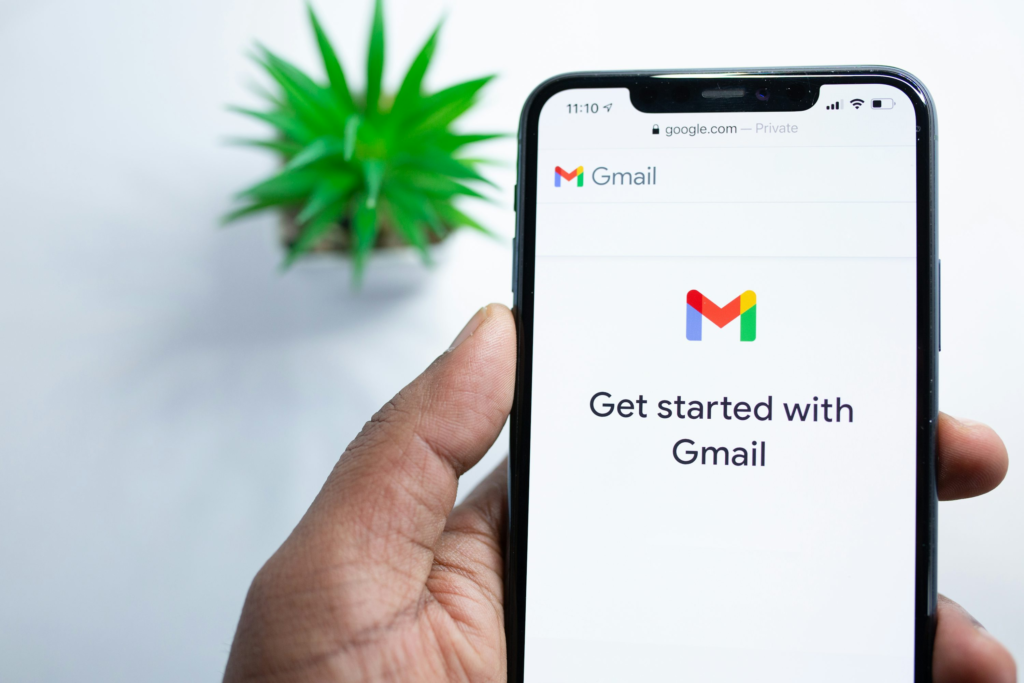
This method shows that more and more people are realizing how important email addresses have become in everyday life. A Gmail address is more than simply a mailbox. It is a way to log in, a way to identify yourself as a professional, and often a way to build your own brand. Letting consumers change that identity without taking everything apart shows that people really do use digital things for a long time. People grow and change, and what seemed right at 15 doesn’t always stay that way as they become older.
The difference between the revised Hindi support page and the unchanged English version is very clear. The English-language documentation still says that “@gmail.com” addresses “usually cannot be changed.” That assertion, which has long kept people from even looking for other options, now seems to be out of date. Google hasn’t said yet why the upgrade came out first in one language or which areas will get it next. Users have had to rely on forums and tech communities to figure out what’s going on because there isn’t a clear schedule.
Even though there hasn’t been any formal word, the information that has come out points to intentional planning rather than a test change. Google has said that changing your address would not affect any of your current data. All of your emails, images, messages, and files that are stored in Google services will stay where they are. The experience should feel seamless from the user’s point of view, as if only the name on the mailbox has changed and everything else stays the same.
But the feature does have certain limits. If you alter your Gmail address, you won’t be able to make a new one for the next twelve months. You also can’t erase the new address. These rules seem to be in place to stop abuse, frequent switching, or the hoarding of several addresses linked to the same account. Some users who enjoy flexibility may be annoyed by this, but it makes the point that the functionality is meant for important, long-term updates and not just for messing around.
People are wondering why Google selected this strategy because the rollout was so silent. One option is managing risk. Gmail has billions of users around the world, and even small adjustments can have big effects. Google may keep an eye on technical problems, user confusion, and support requests by testing the function in a small market before rolling it out to the whole world. Cultural relevance is another option. In markets with a lot of people using the internet for the first time, naming practices and how people show their identification may change quickly, making the need for such flexibility even greater.
This action is in line with a change in how big platforms handle user identities from a bigger picture point of view. More and more, social networks, productivity applications, and cloud services are realizing that permanency might be more of a pain than a help. Being able to change without starting over is becoming a competitive edge. Google wants to be seen as an ecosystem rather than just one product, so making changes to users’ identities less disruptive helps keep users loyal over time.
At the same time, the feature makes people wonder about communication and consistency. If you make a big change to an account without clearly telling others, it can cause confusion and different expectations. Some people could think that the option is open to everyone, while others might not even know that modification is possible. Large IT corporations have been under a lot of attention for their lack of transparency. This case shows how quickly people can get confused when updates are found instead of explained.
People have been both relieved and skeptical about the news so far. Many people are happy to finally be able to get rid of old email addresses without having to start over with their digital lives. Some people are worried about possible security issues, including not knowing which address is the main one or how aliases could be used wrongly. These worries are not without merit, but they also show how hard it is to manage identity on a large scale.