The video game console sector has had a rough few years, with things like uneven consumer spending and rising costs due to tariffs. A new, less obvious force is now putting further stress on an ecosystem that is already fragile. The rapid expansion of artificial intelligence is changing the world’s need for memory chips. Video gaming consoles are being pushed to the back of the line in a race they can’t easily win.
Dynamic random access memory, or DRAM, is at the center of the problem. It is a key part of modern game consoles like Sony‘s PlayStation, Microsoft’s Xbox, and Nintendo’s new Switch 2. These chips aren’t pretty, but they are very important. They make it possible for games to load faster, worlds to display smoothly, and complicated scenes to happen without stuttering. Memory is not a luxury in a time when players want movies to look real and run smoothly. It is really important.
The problem is that DRAM is now in high demand for a lot more than just gaming. Big tech companies are spending billions on artificial intelligence infrastructure, building huge data centers full of servers that need a lot of high-performance memory. These data-center processors make manufacturers a lot more money than consumer gadgets do. Memory companies are putting more and more emphasis on AI-driven demand over traditional consumer goods because they can’t make as many of them.
This change is already having an effect on the hardware sector. The flow of goods that used to go smoothly to game consoles, personal computers, and enthusiast parts is now slowing down. In other cases, companies are cutting back on or even stopping production of long-standing product lines that are focused on consumers. This shows how clearly the market has shifted toward enterprise and AI use cases. For companies who make consoles, this means that parts cost more and there isn’t much they can do about it.
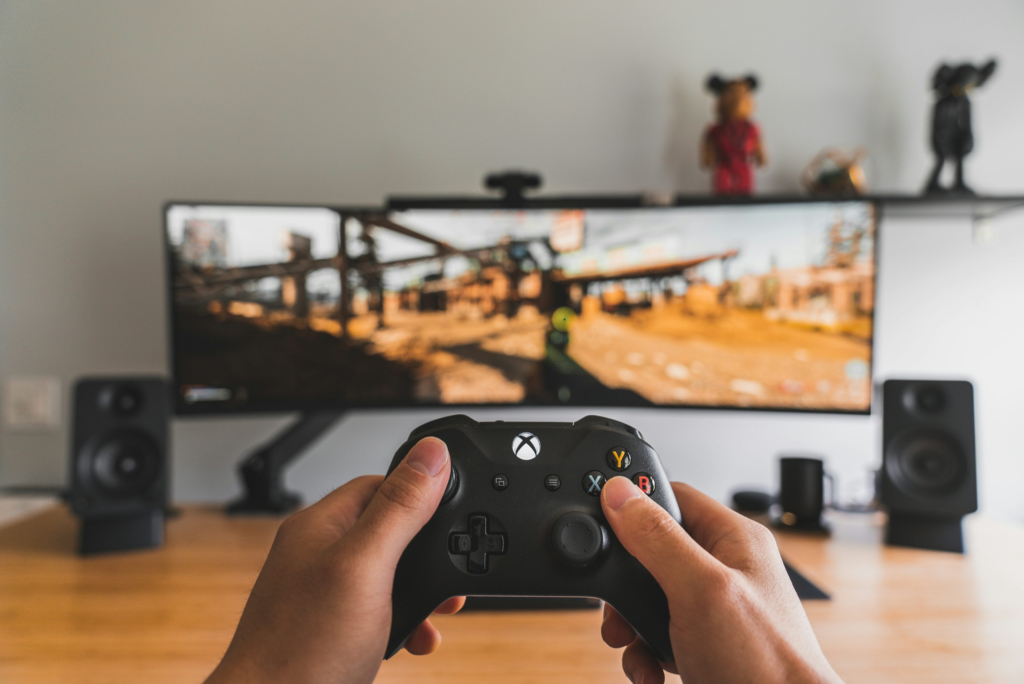
In the past, videogame consoles have been sold with very small profit margins, unlike smartphones and high-end PCs. Hardware companies often make back their money over time by selling games, subscriptions, and digital services. So, if production prices go up a lot, companies have to make an uncomfortable choice: take the losses or pass them on to customers. That dilemma is becoming tougher to avoid as memory prices go up.
People who watch the industry say that price hikes may be unavoidable. Memory alone makes up a significant part of a device’s total bill of materials. This is especially true for newer consoles, which need larger and faster memory pools to support high-resolution visuals and vast game worlds. One expert in the field said, “This hits manufacturers hard because memory costs about a fifth of a PC’s total parts.” That stress isn’t just for PCs. Even if the insides of consoles are different, they all have to deal with the same math.
The timing could not be worse. Earlier price increases caused by tariffs and problems in the supply chain have already pushed consumers’ patience to the limit. A lot of families are still careful with their extra spending, and gaming hardware is frequently one of the first things they put off buying when money is tight. More price hikes could make people less likely to buy new consoles, which is the opposite of what manufacturers want to do to grow their installed base and justify high development expenses.
If memory prices keep going up, some analysts think that console prices could go up by 10 to 15 percent over the following few years. It might be even worse for gaming PCs, which need more RAM modules and often higher-end parts. If memory prices go up again in 2026, as some projections say they will, total system prices could go up by as much as 30% in that area.
You may already see the consequences outside of consoles. Several companies that make gaming PCs have said they will raise prices since the cost of parts has gone up. It looks like big computer companies are getting ready to do the same thing. These choices may be necessary for business, but they show how deeply the AI boom is changing the technology landscape as a whole, often in ways that people don’t immediately think of as being related to AI.
Console producers are in a tough spot from a strategic point of view. They don’t have the buying power of hyperscale data center operators, who can sign huge, long-term contracts and spend top dollar for the latest memory. They also can’t easily change systems to use less RAM without hurting performance and developer expectations. Modern game engines are based on a lot of fast memory, and if that memory were to be cut back, it would have an effect on all of the software that uses it.
There is also a risk to your reputation. For a long time, consoles have been touted as relatively cheap ways to get into high-end gaming. If prices go up a lot, more people might switch to other platforms, like cloud gaming or mobile devices, even if those experiences aren’t quite the same yet. The console business model has traditionally been based on finding the right mix between performance, pricing, and accessibility. Rising memory costs could upset that balance.
The circumstance makes me think about how consumer technology fits into a world where enterprise AI investment is becoming more and more common. Memory makers are acting logically in response to market forces, but the effects go far beyond the bottom line. If gaming hardware costs a lot more, it might slow down new ideas, limit the number of people who play, and change how and where they do it.
Also, it’s important to remember that technological markets go through cycles. Changes in demand, more capacity, or advancements in other types of memory technology could eventually lessen the burden. For now, though, the videogame console industry is up against artificial intelligence for one of its most important parts, and losing that battle could cost consumers real money.