Andrew Scott and Olivia Colman have been revealed as the main cast members of the upcoming movie Elsinore, which looks like it will be one of the most emotionally powerful biographical dramas in a long time. The film is about the life and legacy of famous Scottish actor Ian Charleson. It looks back at a remarkable but sad time in British theater and film. Elsinore promises to be a truly personal drama about art, bravery, and quiet strength, focusing on Charleson’s last years and his legendary role as Hamlet.
Andrew Scott, who is known for being intense and precise with his emotions on stage and television, plays the main character in Charleson’s trip. His casting seems especially right for a narrative that has to do with theater, being vulnerable, and having inner turmoil. Olivia Colman joins him in a prominent role, which adds even more creative credibility to a project that already has a lot of it. Colman’s career has been built on her ability to play characters with many layers and complicated emotions. Her presence in a movie means that it favors depth and restraint over spectacle.
Simon Stone is in charge of Elsinore. Critics have praised his past work for its sensitivity and psychological understanding. Stone’s style often blurs the boundary between acting and real life, which makes him a good fit for a movie that looks at what it means to commit everything to art while dealing with deep personal problems. Stephen Beresford wrote the screenplay. He is known for writing character-driven stories that carefully explore identity, love, and grief instead of dramatization. The creative team all agree that this story needs honesty more than embellishment.
The name of the movie, Elsinore, comes from the setting of Shakespeare’s Hamlet, which was Ian Charleson’s last professional performance. In the late 1980s, Charleson played Hamlet at the National Theatre in London to great acclaim, even though his health was getting worse quickly. At the time, he had HIV, which was not only a medical problem but also a huge societal stigma. What makes this part of his life so interesting is not just how brave he was, but also how dignified he was in keeping his sickness a secret and letting the work speak for itself.
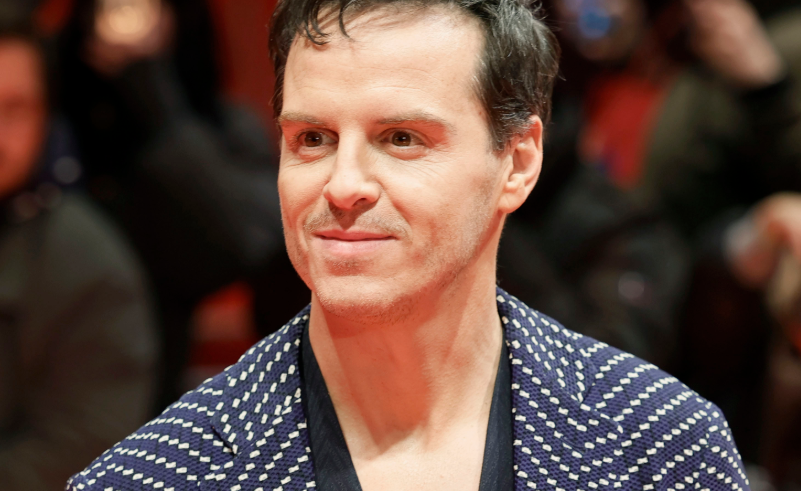
The official summary calls the movie a “powerful, deeply moving, and inspiring true story of the actor Ian Charleson who faced incredible odds while preparing to give the performance of his life in Hamlet at the National Theatre in London.” That remark gets to the heart of Elsinore, which is less about famous people and more about the quiet determination of an artist who is dedicated to his work. The account doesn’t just show Charleson as a tragic man; it also shows him as a working actor who, maybe fiercely, thought that his duty to the audience and the play came first.
On January 5, filming for Elsinore will start in the UK, and production will take place in a number of locales across the country. The main cast has been announced, but more names are likely to be disclosed as the shoot gets near. Choosing to film mostly in the UK adds another level of realism, as it takes place in the real places that impacted Charleson’s career, from rehearsal rooms to famous theater stages.
Even though Ian Charleson’s career was tragically short, it had a lasting impact on film and theater. He was born in Scotland and trained as a classical actor. He rapidly became known for his strong theatrical presence. People all over the world got to know him as Eric Liddell in Chariots of Fire, a movie from 1981 that won four Academy Awards. He played the religious Scottish athlete with restraint and moral conviction, two traits that would come to define a lot of his work.
Charleson gave great performances in movies like Gandhi, where he played Reverend Charlie Andrews in a movie that won eight Oscars. Chariots of Fire is not the only movie he was in. But people who worked with him closely often said that he loved theater more than anything else. He had tough roles in shows like Guys and Dolls, Cat on a Hot Tin Roof, and, most importantly, Hamlet. People who worked with him said he was very reserved, careful, and attentive. They said he let his work carry emotional weight instead of his public persona.
Charleson found out he had HIV in 1986, when there was a lot of fear and misunderstanding about the disease in the news. He didn’t tell many people about his illness and kept working even though his health got worse. Many people only began to comprehend the full scope of what he had gone through after he died in January 1990 at the age of 40. People now see his choice to keep acting, especially in a role as physically and emotionally demanding as Hamlet, as an amazing show of dedication instead of denial.
What makes Elsinore so current is that it doesn’t make that option seem dramatic. The movie seems ready to look at not just the expense of such dedication, but also what it means. Charleson’s narrative makes us think about things that are less obvious and more unpleasant in a time when people are expected to reveal their personal problems in public. What does an artist owe the public? What is the difference between being private and being open? And who gets to choose how to tell a tale about someone’s life?