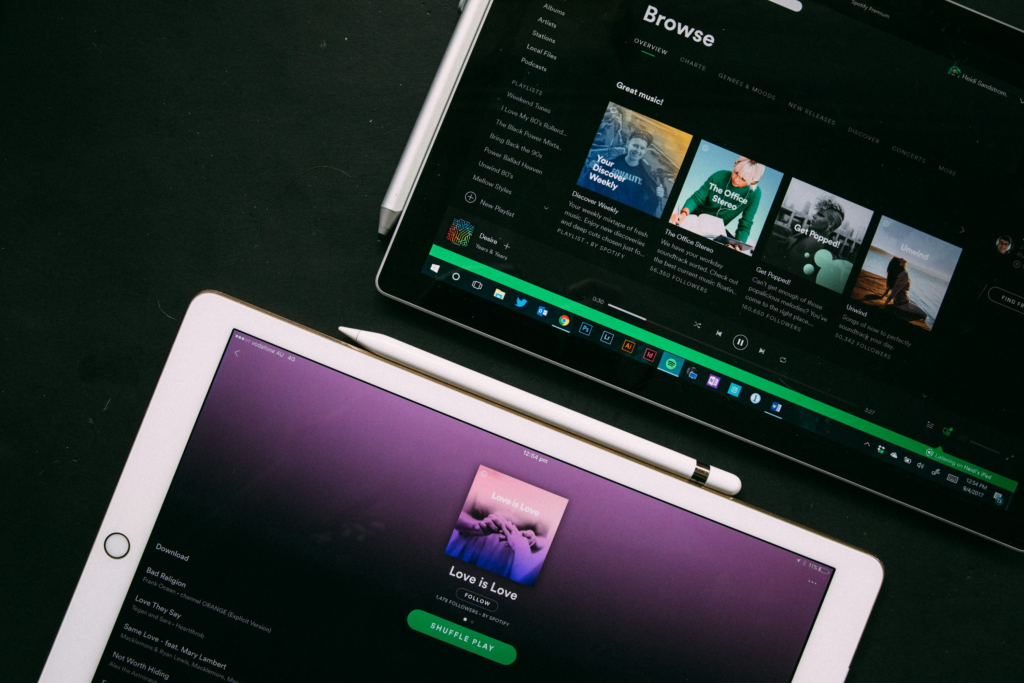
This week’s Spotify outage was an unwelcome reminder of how much digital platforms have become a part of everyday life. Spotify is more than simply an app for millions of people across the world. It’s a continuous companion throughout commuting, workouts, late-night study sessions, and quiet times alone. When the music stopped, frustration spread just as swiftly as the silence.
On Monday, Spotify went down all around the world, making it hard for tens of thousands of customers in many areas to get to the service. Downdetector, a service that tracks outages, says that complaints of problems quickly rose when people tried to log in, access the homepage, or play music they had previously saved in their queues. The sudden rise in complaints made it evident that the platform was under a lot of stress, even though Spotify was working hard to fix the problem.
During the worst of the problems, there were about 36,000 reports from users in the United States. By late morning Eastern Time, the number of complaints had dropped drastically to about 1,000. This meant that most users’ service had mostly stabilized. In the UK, reports plummeted from more than 10,300 earlier in the day to about 250, which was comparable to what happened in the US. Even if the numbers kept going down, the outage had a big effect on users who need to stream all the time for their everyday activities.
As people who were bewildered tried to figure out what was going on, social media sites immediately became a place to get help. People on Reddit and X, which used to be called Twitter, said they were logged out of their accounts without warning, couldn’t get to the home screen, or had playlists that wouldn’t play. Some customers said that even songs they had downloaded wouldn’t load, which made things even more confusing and raised more questions about whether the problem was with the device or the whole system.
Spotify publicly admitted the problem by writing on X that it had been fixed and urged users who were still having problems to go to its community support page. But the business didn’t explain right away what caused the outage. There was opportunity for speculation because there wasn’t a technical explanation, but it’s not uncommon for companies to stay quiet during big service outages, especially when investigations are still going on.
From a business point of view, the interruption also had an effect on how investors felt. During morning trading, Spotify’s stock price dropped by about 3%. This shows how sensitive the market is to operational instability, even when outages don’t last long. For tech businesses that are publicly traded, times like these show how tightly performance reliability is linked to financial trust, especially in a sector where competition is fierce and other options are just a tap away.
This is the third significant Spotify outage in 2025, following similar problems in April and June. Platforms like Spotify that work on a worldwide scale will virtually always have some technological problems. However, recurrent outages make people wonder about the reliability of the infrastructure and the redundancy of the system. Even small problems can cause big problems for a service that supports hundreds of millions of users and handles huge amounts of real-time data.
Also, keep in mind that the number of people who are impacted may be different from what Downdetector says. The platform’s data is based on user-submitted reports, so it doesn’t give an exact tally of how many accounts were affected; it only shows what users think are problems. Still, these tools give us useful information in real time about how rapidly problems spread and how well firms respond.
The outage was more than just a technical problem for users. It broke up perfectly planned playlists, podcast episodes in the middle of a sentence, and background music that helps people get things done every day. People don’t realize how much they rely on streaming services until they stop working. In that way, the Spotify outage brought people together for a short time via annoyance instead of music.
From a business point of view, things like this show how much more people expect from digital platforms these days. People no longer perceive reliability as a nice-to-have quality; they see it as a must-have. People are used to things working perfectly, and they don’t have as much patience for downtime anymore. Every time there is an outage, even if it is fixed fast, it hurts trust a little bit. This makes communication and openness even more vital.