Apple is already planning for what could be one of its most experimental years ever, even if its next launch cycle is still a ways off. There are reports that four new iPhone models will come out in 2026. These will include budget-friendly improvements, luxury enhancements, and a long-awaited foldable handset. But even with all of this new technology, the lack of a regular release for the ordinary iPhone 18 has surprised some who keep an eye on the market. If these plans go as planned, Apple’s way of launching new products may be changing. Instead of following long-standing traditions, they may be focusing on time and segmentation.
The iPhone 17e is slated to be out at the beginning of the year. It will complete the iPhone 17 lineup and show that Apple is still focused on making its products more affordable. The e-series, which came from past attempts to make cheaper iPhones, looks like it will become a regular part of the iPhone lineup instead of being a one-time experiment. This change is a sign of a larger trend in the smartphone market, where people are keeping their phones for longer and looking for substantial updates that don’t cost a lot of money.
The A19 chip in the rumoured iPhone 17e is claimed to make it work better than the A18 chip in the previous model. This update may be enough to make ordinary users happy, but Apple is also rumoured to improve the entire experience by adding a Centre Stage-enabled front camera and replacing the usual notch with a Dynamic Island. People also expect the bezels to be thinner, which will give the phone a more modern look that fits with Apple’s flagship designs, even if the inside hardware is still limited in some ways.
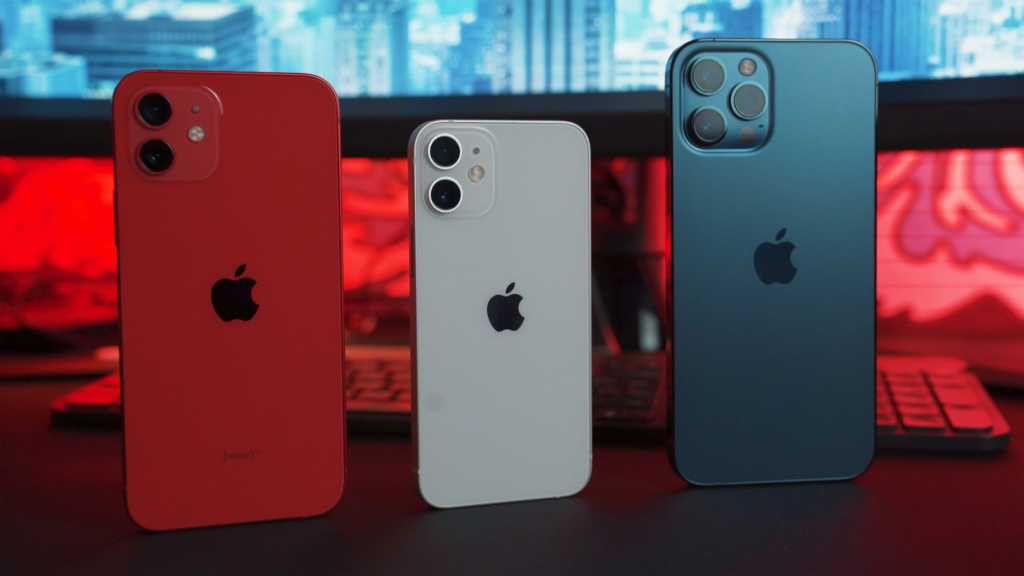
However, those limits show how carefully Apple sets its products apart from each other. The iPhone 17e is likely to have only one rear camera and not have features like ProMotion, an always-on display, or advanced camera controls. These omissions are not mistakes; they keep the higher-end models interesting while letting the e-series reach a more affordable price point. At a price of $599, the smartphone might be a great choice for students, people who have never used an iPhone before, or people who are upgrading from much older devices.
The iPhone 18 Pro and iPhone 18 Pro Max will be the focus later in the year. These phones are likely to come out in the fall, which is when Apple usually releases new products. There probably won’t be any big changes to the design, but new models will probably focus on making things better instead of starting again. Apple has been using this method more and more, making little improvements to essential technology while keeping a familiar look that helps the brand stay consistent.
Some of the rumoured improvements include bigger batteries and the A20 Pro chip, which is said to be constructed on cutting-edge 2nm technology. If this is true, it would be a big step forward in efficiency and performance, which would solidify Apple’s position as the leader in mobile silicon. Some other projected enhancements are a smaller Dynamic Island, Face ID parts built into the screen, and a camera system with a customisable aperture that might allow users more control over how much light and depth they record. Adding a new C2 cellular modem could make connections and power use even better, especially in areas where the network infrastructure is changing.
The most interesting thing about Apple’s 2026 plan is that it will probably include its first foldable iPhone. People often call this device the iPhone Fold or iPhone Ultra. It would be Apple’s first foray into a category it has been watching from the sidelines for a long time. Clearly, it’s aimed at early adopters and committed clients who are ready to spend a lot for cutting-edge design, since the price is expected to be more than $2,000.
People say that the foldable iPhone would have a very thin titanium frame, which fits with Apple’s recent focus on materials that are light but strong. The inside screen is planned to be about 7.6 inches, and the outside screen is expected to be 5.4 inches. This will make it feel like a book when you fold it. Reports say that Apple wants to make a design that doesn’t have any creases. This is a problem that many foldable gadgets have had, and if Apple can fix it, it could affect how people react to the product.
People are still guessing about how well the battery works. Even while the device may have the biggest battery ever used in an iPhone, the dual displays could make up for it. The camera features are expected to match the high-end positioning, with two rear cameras and two front-facing cameras, one for each display. It’s interesting that the device might use Touch ID instead of Face ID. This is a practical choice because the foldable form factor doesn’t have enough space for Face ID. If the iPhone 18 Pro models had the same A20 Pro chip, all of Apple’s high-end products would work the same way.
The destiny of the regular iPhone 18 stands out as an oddity among these ambitious offerings. Apple has always released its base and Pro models at the same time each fall, which has become the defining moment for each iPhone generation. Reports currently say that this trend might shift, and the base iPhone 18 might not come out until spring 2027. If this is true, it means that luxury models will come out in the fall of 2026, but more affordable models like the iPhone 18, a possible iPhone 18e, and even a new iPhone Air might come out months later.
This kind of change has happened before, but it would be a big deal. Apple has released non-flagship gadgets like the iPhone SE at different times in the past. The COVID-19 epidemic also messed up its schedule. But on purpose separating flagship and base models would show that the company is changing its strategy, maybe to keep customers interested all year instead of just one season.
This changing strategy is a sign of bigger developments in the smartphone market. As competition gets tougher and innovation slows down, Apple may be looking for new ways to handle customer expectations, inventories, and attention. Staggered launches could help each product stand out on its own, but they could also confuse shoppers who are used to a steady cadence.