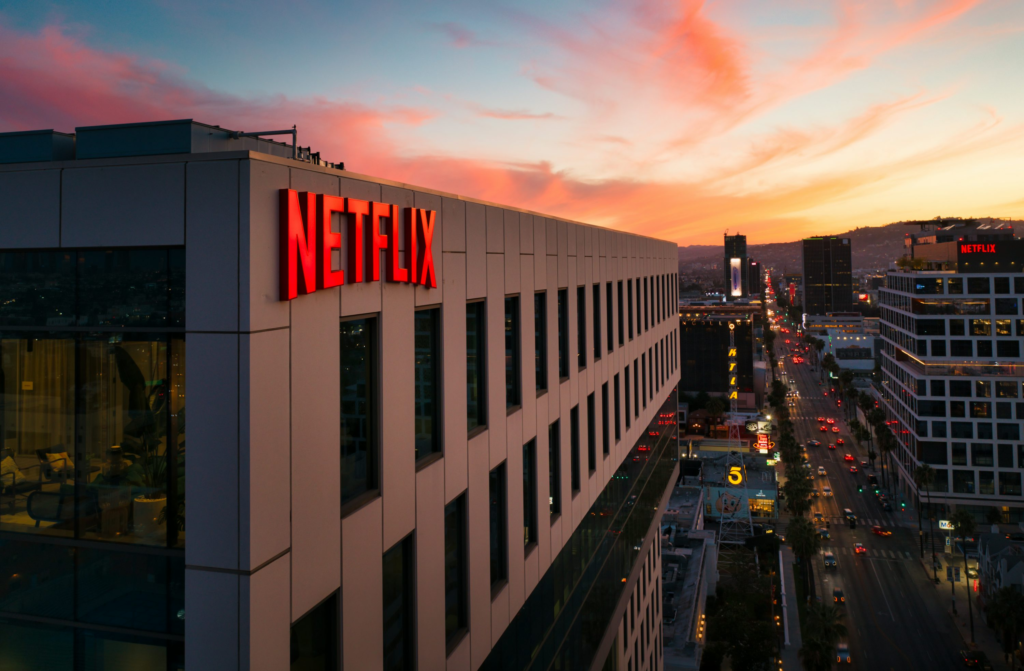
Netflix has taken a huge step that shows how quickly the entertainment industry is changing. The streaming pioneer has agreed to pay seventy-two billion dollars for Warner Bros. Discovery’s TV studios, movie operations, and streaming division. This will bring together some of Hollywood’s most valuable creative assets in one place. The purchase is more than just a business deal. It shows how far Netflix has come from being a small DVD-by-mail company to a global entertainment powerhouse that is changing the way stories are made, financed, and delivered to audiences.
The deal came about after a fierce bidding war that lasted for weeks. In the end, Netflix made an offer of almost twenty-eight dollars per share, which was more than Paramount Skydance’s offer of almost twenty-four dollars per share. What makes this move so surprising is that Netflix has grown without buying big companies in the past. It grew by consistently investing in original programming and always trying to understand how viewers behave. But Netflix has chosen to buy all of Warner Bros. Discovery, including its streaming network, which shows how competitive the market has become. Warner Bros. Discovery’s studio libraries, intellectual property, and creative infrastructure have been important parts of Hollywood for many years. By buying them, Netflix’s power has grown a lot.
The business isn’t just buying things. It’s taking charge of cultural symbols. The “Harry Potter” universe, the huge “DC Comics” franchise, and the worldwide hit “Game of Thrones” are all part of the Warner Bros. Discovery catalog. These properties have made fan communities and led to big hits for decades. Netflix’s ability to draw in viewers is stronger now that it has these legendary titles in its library. This is especially important at a time when the streaming market feels crowded with platforms competing for attention. It also gives the platform a chance to try out new ways of seeing characters and worlds that people already love.
Ted Sarandos, co-CEO of Netflix, summed up the goal behind this choice when he said that the two companies will “help define the next century of storytelling.” That level of vision shows that the company believes in long-term creative growth. Sarandos has long compared Netflix’s style to HBO’s, and he famously said, “the goal is to become HBO faster than HBO can become us.” Now that HBO Max is part of the deal, that comment seems more like a hint than just a wish. Taking over one of its biggest competitors gives it a bigger library, established production channels, and a stronger presence in high-end TV.
But ambition often goes hand in hand with scrutiny, and this agreement is no different. Both the US and Europe are likely to look closely at the deal from an antitrust point of view. Netflix is the biggest streaming service in the world. Buying a competitor with almost 130 million subscribers raises questions about whether the new company could limit consumer choice or give itself too much power in negotiations with talent, distributors, and theaters. Some members of Congress had already said they were worried before the bidding even started. They were afraid that this kind of merger could hurt jobs, creative freedom, and the cost of digital entertainment.
Cinema United, a large global trade group for movie theaters, added to these worries by saying that the merger is a “unprecedented threat” to movie theaters all over the world. Theatrical exhibition has been under pressure for years, and more and more people are choosing to watch movies on streaming services instead. Putting two of the most important content creators under one corporate roof makes people even more worried that fewer movies will be shown in theaters. It also makes you wonder if it will be harder for smaller studios to get their movies into theaters.
Experts in the field have said the same things. Paolo Pescatore of PP Foresight said, “This will raise eyebrows and concerns in light of the current regulatory environment.” He said that regulators who want to keep competition healthy will closely look at the presence of a combined dominant streaming player. For a lot of people, this merger is a big test of how far the entertainment industry can combine before the government has to step in. Pescatore also said that the ongoing competition from Paramount Skydance is likely to keep the public debate about the Warner Bros. Discovery acquisition going.
David Ellison’s Paramount Skydance was the first to make an unsolicited offer to buy Warner Bros. Discovery. The company said that Netflix got special treatment during the sale process and that it wasn’t fair. Ellison’s ties to politics, especially the Trump administration, made these worries more well-known. Companies know that having big libraries makes a streaming service more stable, so competition for legacy studios is still fierce. Having well-known brands and characters makes people more loyal, makes it easier to market globally, and gives you more power when negotiating with advertisers, creators, and partners. It wasn’t surprising that Paramount Skydance wanted to fight Netflix until the end.
Despite the tension, Netflix says that the acquisition will increase production capacity and add more original content to the platform. Netflix has been working hard to grow its physical studios, help new creators, and improve its storytelling formula across all genres in recent years. By working with Warner Bros Discovery’s long-established creative teams, it could make a lot of new movies and TV shows that combine old-fashioned craftsmanship with modern digital sensibilities. Hollywood is keeping an eye on this merger to see if it turns into a smooth partnership or a fight between two companies.
I can’t help but think about how strange and important this moment is for me as someone who has grown up watching both Netflix originals and Warner Bros. blockbusters. It makes me feel something to think about all these worlds coming together under one company. These studios have made childhoods, set cultural trends, and made characters that feel like friends. The thought that they might soon be working together on the same creative project is exciting, but it also makes me feel uneasy. When big companies merge, people always worry about what might be lost in the name of efficiency. But there is also the chance for new energy and new ways of looking at things that audiences would not have had otherwise.