Elon Musk‘s recent super-sized pay packages at SpaceX and Tesla were built around some eye-popping goals: creating a one million-person human colony on Mars, putting a million robotaxis on the road and selling a million humanoid robots. Those targets were designed to capture the imagination and to justify the extraordinary sums involved, but a merger combining Musk’s trillion-dollar rocket and electric vehicle firms would mean he might never need to meet them to achieve his ultimate objective. According to a Reuters review of the pay plans and interviews with six executive-compensation experts, a tie-up of the two companies would give Musk the voting control at Tesla that he has long said he wants, and it would do so without requiring him to hit any of the milestones embedded in his compensation package. The provocative, futuristic goals that have dominated headlines would, in that scenario, become something closer to an afterthought, a point that several of the experts were blunt in making.
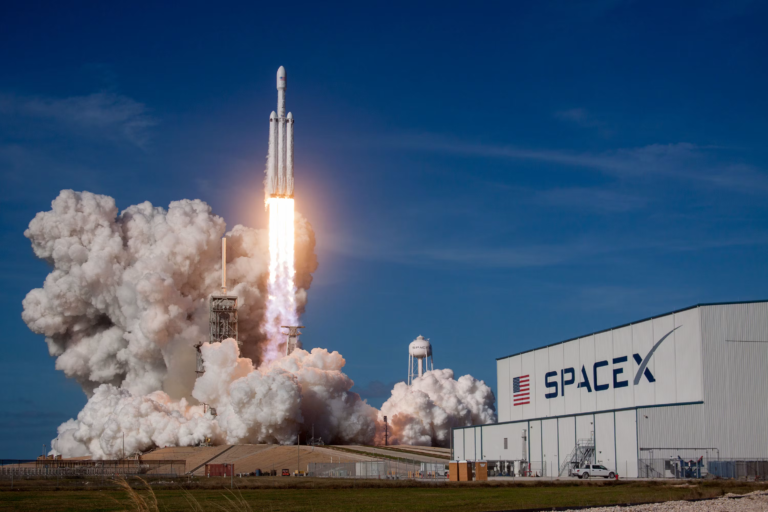
Musk said on a SpaceX earnings call last month that both companies’ boards had formed special committees to discuss a potential merger, a disclosure that set off a wave of speculation about what such a combination would mean for shareholders, regulators and the broader market. The structure of the two pay plans is central to understanding the answer. SpaceX’s plan gives Musk voting power upfront, before he has earned the underlying stock, a design that helps provide a shortcut to gaining control of Tesla in the event of a merger. Tesla’s plan works in the opposite direction, with Musk required to reach a series of increasingly ambitious operational and market-capitalization milestones before his equity awards vest. Combining the two would allow the upfront voting rights from SpaceX to flow into the combined entity, effectively handing Musk a degree of control at Tesla that he has spent years seeking through other means, including his public complaints about the limits of his influence as merely the company’s largest individual shareholder.
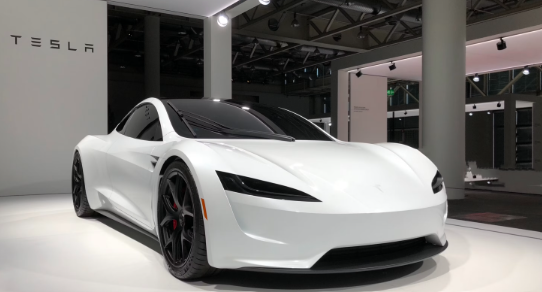
As for Musk’s compensation, a merger would initially likely award him only a sliver of the one trillion dollars in stock from last year’s widely discussed Tesla pay package, according to the review. The experts who examined the plans suggested that SpaceX’s board could also restructure his compensation after a potential Tesla deal, a possibility that introduces considerable uncertainty into any calculation of what Musk would ultimately receive. What is clearer is the structural advantage that the SpaceX arrangement confers. Because his voting power there is granted before the stock is earned, a merger would allow him to exercise influence over the combined company well ahead of the schedule that the Tesla milestones would otherwise impose. The milestones themselves, the Mars colony and the robotaxis and the humanoid robots, are demanding enough that even Musk has acknowledged they may not be achieved on the timelines originally envisioned, which makes the shortcut all the more consequential.
Charles Elson, founding director of the Weinberg Center for Corporate Governance at the University of Delaware, was direct in his assessment, saying that the milestones are irrelevant and that the package is a distraction from the real story, which is complete control. That observation cuts to the heart of the matter. Pay packages are typically presented as incentive structures, mechanisms designed to align executive interests with those of shareholders by rewarding performance against measurable goals. The SpaceX plan inverts that logic by front-loading the reward in the form of voting power, which means the incentive function is weakened even as the control function is strengthened. For Musk, who has never concealed his desire for greater authority over the companies he runs, the arrangement is well suited to his purposes. For Tesla shareholders, the implications are more complicated, since a merger would concentrate decision-making authority in the hands of a single individual whose attention is divided across several demanding enterprises and whose public statements have periodically moved markets in unpredictable directions.
There is also the question of what a merger would mean for the minority shareholders of both companies. SpaceX remains privately held, though its recent filings and earnings calls suggest a growing willingness to operate with the transparency of a public company. Tesla’s shareholders have already been asked to approve an extraordinarily generous pay package, and the prospect of their company being combined with a private rocket manufacturer raises governance questions that the special committees will have to address. The experts who reviewed the plans for Reuters were careful to note that the outcome would depend heavily on how the transaction is structured, what consideration is offered and how the boards choose to treat the existing compensation arrangements. None of that is settled, and the special committees have offered no public timeline for their deliberations.
What is clear is that the pay packages, for all their headline-grabbing ambition, may prove less significant than the corporate architecture they enable. Musk has built two of the most valuable companies in the world, and he has done so in ways that concentrate authority rather than disperse it. A merger would formalize that concentration at a scale that few chief executives have ever commanded. Whether shareholders regard that as a strength or a risk is the unanswered question at the center of the debate, and it is one that will not be resolved by the milestones on a pay plan. The real vote, when it comes, will be about who controls the enterprise, not about how many robots roll off the line.