| DORCHESTER • PROGRESSIVE MUSIC • GLOBAL VISION |
THE BIG QUESTION
What if everyone has been looking at the wrong city?
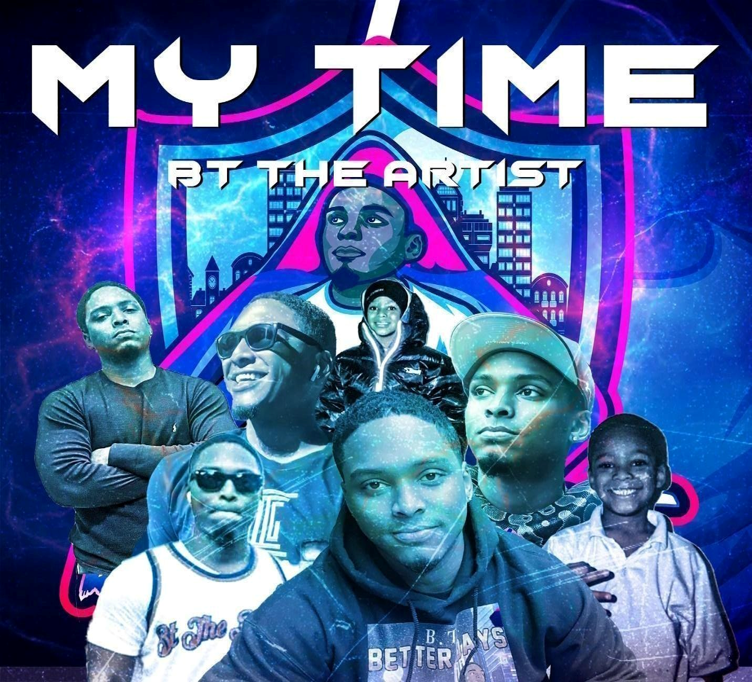
What if one of hip-hop’s more interesting developing stories is not happening in Atlanta, Los Angeles or New York? What if it is happening in Boston – and what if the artist at the center of it is not simply trying to become another successful rapper, but is attempting to challenge what a rapper is supposed to sound like in the first place?
That is the gamble being made by BT The Artist. The Dorchester-raised artist, also known as Bryanne Toney, has spent years building what he calls Progressive Music: a creative philosophy built around genre freedom, storytelling, emotional range, social awareness and the belief that hip-hop can evolve without abandoning the culture that created it.
| “The most compelling version of this story is not that BT has already conquered music. It is that he has spent years building the runway for something much bigger.” — FEATURE THESIS |
His media trail stretches from American hip-hop publications to outlets in the United Kingdom, Italy, Germany, the Netherlands, Korea and China. The question now is whether years of preparation, international visibility and a distinctive artistic philosophy can translate into the defining record that turns attention into culture.

250 YEARS OF SOUND
Boston’s musical history is far bigger than most people realize
Boston’s musical identity has never belonged to one genre. Its history runs from Revolutionary-era protest songs and abolitionist music to jazz, folk, rock, disco, R&B, punk, hip-hop and contemporary experimental music. That makes BT’s refusal to stay inside one musical box feel less like a rejection of Boston tradition and more like an extension of it.
| 1770s-1800s | Protest songs, abolitionist music and public activism made music part of Boston’s civic identity. |
| 1900s-1940s | Roxbury and the South End became important jazz and blues communities. |
| 1950s-1970s | Folk activism, rock experimentation and Berklee’s global influence expanded the city’s reach. |
| 1970s-1980s | Donna Summer, Aerosmith, The Cars and other acts demonstrated Boston’s ability to produce global stars. |
| 1980s-2000s | New Edition, The Source, Edo G, RSO, Akrobatik, Mr. Lif, 7L & Esoteric and others shaped R&B and hip-hop culture. |
| NOW | A new generation is pushing Boston outward again – across genres, platforms and borders. |
Boston’s own music history makes a useful point: the city has repeatedly mattered without always being marketed as a single, unified music capital. Its greatest strength may actually be its diversity.
THE BOSTON PARADOX
A city with enormous influence – and an identity problem
Boston helped produce one of hip-hop journalism’s defining institutions: The Source. Founded in the late 1980s, the magazine became a national cultural force, with its mic-rating system, covers, criticism and awards shaping how generations of listeners understood rap music.
At the same time, Boston’s own rap scene often existed in the shadow of nearby New York. Artists including Edo G, The Almighty RSO, Akrobatik, Mr. Lif, 7L & Esoteric, Termanology and later generations built respected careers, but the region rarely converted individual breakthroughs into one sustained, unified industry identity.
| “Boston never lacked talent. It lacked cohesion.” — THE BOSTON PARADOX |
That is why BT’s regional ambition matters. His argument is not that Dorchester should defeat Roxbury, or Boston should defeat Brockton, Worcester, Lynn, Lawrence or Springfield. The argument is that Massachusetts can be treated as an ecosystem rather than a collection of isolated scenes.
THE IDEA
Progressive Music: not one sound, but permission to move
Progressive Music is the center of BT The Artist’s identity. The idea is intentionally difficult to reduce to one beat pattern or one subgenre. A Progressive Music record can carry East Coast lyricism, rock, Afrobeats, R&B, drill, electronic textures or something else entirely. The constant is not the category. The constant is the artist.
The philosophy asks a simple question: why should an artist have to choose between substance, experimentation and entertainment? In a playlist-driven world, listeners already move freely between styles. BT’s concept is essentially an argument that artists should be allowed to do the same.
| “The song determines the direction. The genre does not get to become a cage.” — PROGRESSIVE MUSIC |
That makes the concept especially timely. Streaming, short-form video and global discovery have weakened old format walls. A listener can move from rap to Afrobeats, R&B, rock and dance music in minutes. In that environment, a genre-fluid identity can become a strength – if the records are strong enough to make the philosophy feel inevitable rather than theoretical.
THE INTERNATIONAL TRAIL
From Dorchester to publications across several continents
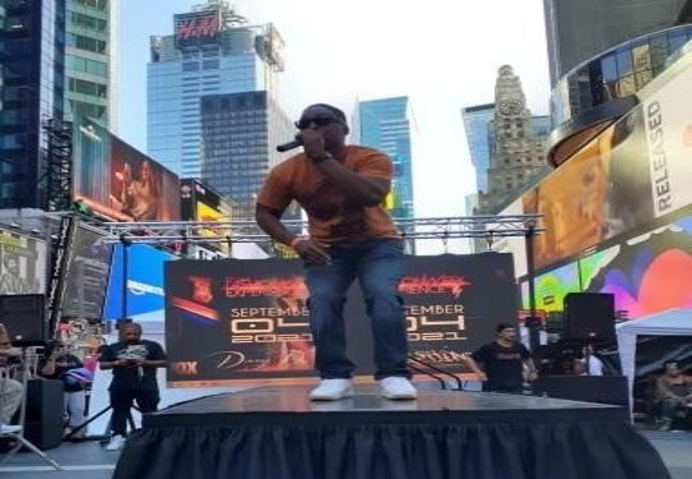
One of the most unusual parts of BT’s story is the geography of the attention. His name has appeared across a wide group of publications and music platforms in the United States and abroad. That includes American hip-hop media, British outlets, European music publications and Chinese entertainment sites.
| THE SOURCE | Progressive Music and Boston hip-hop coverage |
| THE HYPE MAGAZINE | Genre boundaries, artistic direction and international ambition |
| ALLHIPHOP | Music, activism and a broader global vision |
| HIPHOPSINCE1987 | Progressive Music as a forward-looking creative philosophy |
| LONDON DAILY POST | Multi-year coverage of BT’s international positioning |
| EUROPE & ASIA | Features and interviews in the Netherlands, Italy, Germany, Korea and China |
One article can be publicity. A pattern across different countries becomes something more interesting: a footprint. That does not guarantee commercial success, but it does mean the story has repeatedly traveled beyond its home market.
PURPOSE BEHIND THE MUSIC
From loss, mentorship and community work to a larger artistic mission
BT’s artistic story has also been tied to the memory of Kerry Michael Williams, known as Mic Cypher, whose unfinished journey became a reminder that opportunity is temporary. That experience helped turn music from a personal ambition into a question of legacy: what do you do with the time and platform you have?
His connection to veteran producer D/R Period adds another dimension. D/R Period’s East Coast production history represents a period of hip-hop where hard drums, individuality and unmistakable artist identity mattered. For BT, that foundation creates a counterweight to experimentation: move forward, but understand what came before.
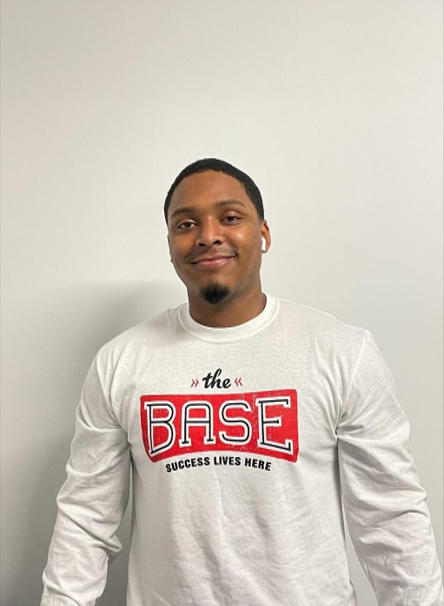
The same philosophy extends beyond records. The source materials describe BT working with young people through The BASE, using music as an entry point for self-expression, discipline, leadership, resilience and community engagement. That gives the larger ‘movement’ language more substance: the idea is not only to gain visibility, but to make success transferable.
THE STAKES
Publicity can build attention. Only the music can build a movement.
This is the point where the story becomes more credible by refusing to oversell it. Media coverage cannot create a classic record. Branding cannot manufacture cultural impact. A philosophy cannot substitute for a song people need to hear twice.
| “The records have to connect. That is the test no press campaign can avoid.” — THE STAKES |
That is also why BT’s current position is interesting. He has spent years building awareness, language, relationships and international visibility before the defining mainstream record arrives. If one song connects at scale, much of the narrative infrastructure is already in place. If it does not, the media story remains only potential.
The next chapter is therefore not about declaring victory. It is about whether preparation can finally meet the moment.
WHY THIS COULD TRAVEL
The ingredients of a shareable story
| 1 | A CITY PEOPLE UNDERESTIMATE | Boston’s musical history is deeper and more diverse than its national image suggests. |
| 2 | A CLEAR DEBATE | Can Massachusetts become a unified music ecosystem instead of isolated scenes? |
| 3 | A DISTINCT CONCEPT | Progressive Music gives readers something specific to react to, debate and define for themselves. |
| 4 | AN INTERNATIONAL ANGLE | The press trail extends beyond one city and one country. |
| 5 | AN UNFINISHED ENDING | The article does not tell readers what to think. It asks whether the music can fulfill the promise. |
The most viral version of this story is not a victory lap. It is an invitation to argue. Readers should finish the piece asking whether Boston is being overlooked, whether genre boundaries still matter, and whether BT has the records to turn a compelling concept into a cultural moment.
FINAL WORD
Boston has changed music before. The next chapter is still unwritten.
Boston helped shape protest music. It became a home for jazz experimentation. It built folk and rock institutions. It gave disco one of its greatest voices, produced an R&B dynasty, helped create one of hip-hop’s defining publications and sustained generations of rappers even when the national industry was looking elsewhere.
BT The Artist is attempting to connect that history to a different future: genre freedom, international reach, local collaboration and music that can carry both message and entertainment.
| “The next major movement will not be decided by a headline. It will be decided when people stop asking “Who is that?” and start saying “Have you heard this?”” |
That is the moment BT is chasing. His media footprint spans countries. His philosophy has a name. His Boston roots give the story history. His international ambition gives it scale. The music will decide whether the promise becomes reality.
BOSTON HAS CHANGED MUSIC BEFORE.
BT THE ARTIST IS BETTING IT CAN HAPPEN AGAIN.
MEDIA DIRECTORY
Expanded press, features, interviews, international coverage & music platforms
MAJOR PRESS & FEATURES
UK, EUROPE & INTERNATIONAL RECOGNITION
GERMANY & EUROPEAN PRESS NETWORK
CHINA & ASIAN MARKET COVERAGE
ADDITIONAL MUSIC & CULTURE FEATURES
MUSIC, SOCIAL & OFFICIAL PLATFORMS