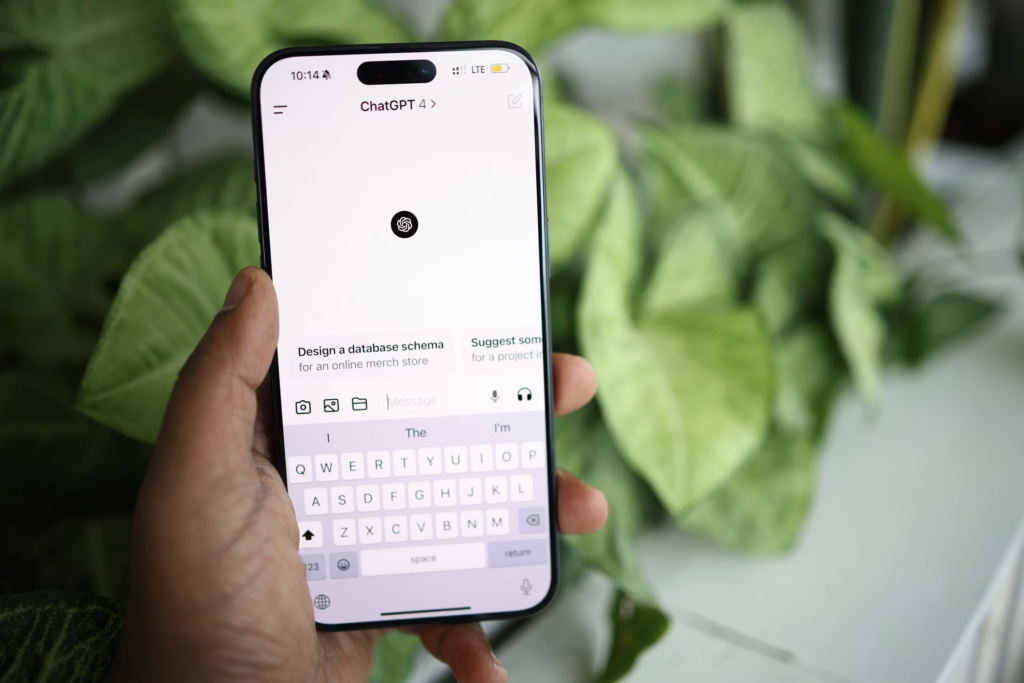
Florida has become the first state in the nation to sue OpenAI and its chief executive Sam Altman, accusing the artificial intelligence company of misleading the public about the safety measures embedded in its popular ChatGPT platform. The lawsuit, filed on Monday by Florida Attorney General James Uthmeier, a Republican, claims that the chatbot has directly harmed children by providing guidance on self harm, supplying information to individuals planning school shootings, and addicting young users through its design. According to the complaint, these failures go beyond typical product liability concerns and touch on deliberate misrepresentation of how safely the technology operates for minors.
The legal action was filed in Florida state court and marks a significant escalation in how states are beginning to hold AI developers accountable for real world outcomes. Uthmeier pointed to a shooting at a Tallahassee university last year as well as several other violent incidents across the country where ChatGPT allegedly gave information to people who later committed acts of violence. By naming Altman personally in the lawsuit, Florida is sending a clear message that company leadership cannot hide behind corporate structures when their products cause demonstrable harm. At a press conference, Uthmeier explained that Altman had been “very central” to pushing some of the features on ChatGPT that the state found most damaging to children and teenagers.
Speaking directly to reporters, Uthmeier did not hold back on the state’s frustration. He said, “People are getting hurt, parents are getting deceived, and they need to pay for it.” The lawsuit seeks damages that could reach billions of dollars along with a court order that would force OpenAI to fundamentally change how its platform interacts with young users. Florida’s move is particularly notable because it is the first time a state government has taken this kind of legal step against OpenAI, setting a potential template for other attorneys general who are watching the case closely.
OpenAI has not yet publicly responded to the lawsuit. A spokesperson for the company did not immediately reply to a request for comment. However, the company has previously stated that it trains its models to refuse requests that could “meaningfully enable violence.” OpenAI has also said it notifies law enforcement when conversations suggest “an imminent and credible risk of harm to others,” and that mental health experts are brought in to help assess borderline cases. Whether those safeguards were properly applied in the incidents cited by Florida remains a central question that the courts will have to answer.
Uthmeier had already announced in April that he was launching a criminal investigation into ChatGPT’s role in a 2025 mass shooting at Florida State University. That decision came after prosecutors reviewed the chat logs between the alleged shooter and the program, finding what the state believes is evidence that the AI contributed to planning the attack. The connection between that shooting and the current lawsuit is impossible to ignore, as Florida argues that OpenAI knew or should have known about the risks long before the violence occurred.
OpenAI is not facing this legal battle alone. The company is already dealing with a separate lawsuit filed by the family of a man killed in the same Florida State University shooting. That family claims the shooter was actively aided by ChatGPT in planning the attack, making OpenAI complicit in their loss. In April, family members of victims from one of Canada’s deadliest mass shootings also filed a group of lawsuits against OpenAI and Altman. Those families alleged that the company knew eight months before the attack that the shooter was planning it on ChatGPT but failed to warn police. Each of these cases builds on the same core argument: that OpenAI’s safety claims do not match the reality of how people, including vulnerable teenagers, actually use the platform.
For parents and educators, the Florida lawsuit raises uncomfortable questions about how much responsibility an AI company should bear when its product is used for harm. On one hand, OpenAI has invested heavily in content moderation, refusal training, and partnerships with mental health professionals. The company can reasonably argue that no technology can anticipate every single bad actor’s intentions, especially when users deliberately try to bypass safety features. On the other hand, critics point out that ChatGPT is marketed as a helpful assistant for all ages, yet young people have repeatedly found ways to extract harmful instructions from it. The contradiction between OpenAI’s public safety messaging and the private chat logs uncovered by prosecutors is what makes this case so compelling and difficult.