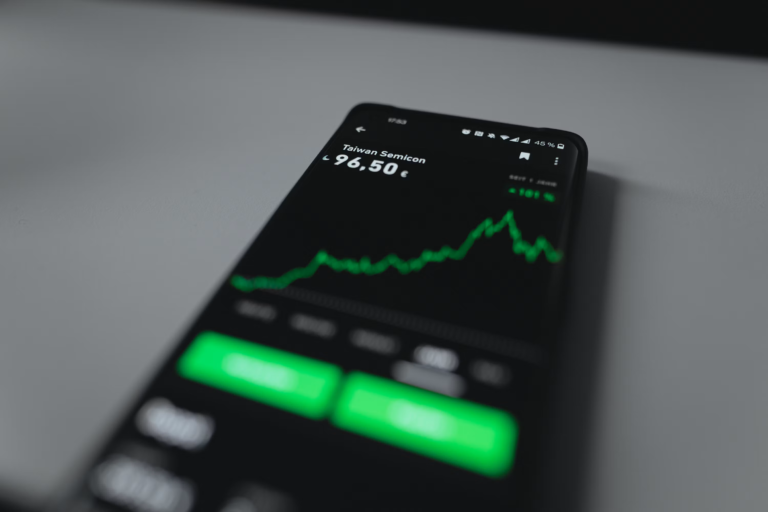
The U.S. semiconductor industry shot up to historic heights, as a fresh wave of hope about artificial intelligence and a strong message by Intel that the wave is not ending any time soon swept the industry. Investors, who already had a heavy position in AI-driven growth stories this year, got a new boost when Intel provided a better-than-anticipated revenue forecast, which led to the assumption that advanced chip demand is still firmly rooted.
The rally is an indication of a larger change in the market valuation of semiconductor firms. Chipmakers, formerly regarded as cyclical participants, closely linked to consumer electronics demand, are now at the heart of a structural change that is driven by AI. The requirement of high-performance chips has become a base requirement of the current technology ecosystem, across data centers to cloud infrastructure. The change has not only increased the expectations of earnings but has also redefined the way the investors view long term growth in the industry.
The performance of Intel helped stir this passion again. The company made a strong move when it exceeded expectations and projected high forward revenue because it was a strong indication that the AI boom is coming to bearable economic results. The only difference is that this is especially remarkable as Intel has been able to drive beyond what it had not seen since the dot-com period, which is usually characterized by the level of excessive market optimism. But this time, it seems like the story is based more on actual demand as opposed to speculative hype.
The core of this rally is the Philadelphia Semiconductor Index that is still considered to be a leading indicator of the chip industry. The index soared more than three percent in one session, a new all-time high, and a continuation of an already remarkable run of gains. Throughout the year, it has increased by over forty percent, an impressive feat that highlights the extent to which semiconductors have become central to the story of AI. Observing this gradual ascent, it is impossible not to think of previous technology-driven rallies, but the current wave seems to be backed by more fundamental reasons and more obvious applications.
The notable feature of this stage of development is the amount of investment being directed toward AI infrastructure. Larger tech firms are in a race to scale up their capacity, creating large data centers with sophisticated computing infrastructures that can support sophisticated AI tasks. This increased expenditure has trickled down into the semiconductor supply chain with chip designers, manufacturers and equipment providers all benefiting. Semiconductors, in most aspects, have been the foundation of this change, making possible everything, including machine learning models, and real-time data processing.
According to Angelo Kourkafas, senior global investment strategist at Edward Jones, the AI build-out race continues, and that semiconductor results are good, and there is no indication that AI demand is declining. His observation reflects the general mood of the participants of the market, who more and more do not regard AI as a fad that quickly passes but rather as a long-term factor that will lead to economic and technological changes.
The strength of the sector is also indicated by the earnings expectations. It is projected that semiconductor firms will be able to deliver more than a hundred percent growth in the first quarter alone, much higher than the overall technology industry. This discontinuity depicts the extent to which important chips have been integrated in the AI value chain. Although software and services tend to draw the headlines, it is the hardware that enables these developments, and investors are starting to reflect that in valuations.
Psychological aspect is also in play. Markets are reacting to what seems like a breakthrough moment after years of incremental innovation have been witnessed. AI is no longer a theory but a widely used practice that has impacted multiple industries, including finance and healthcare. This immediacy of change is not exactly the same as that experienced in the cycles of tech followed over the years, as a person. The need is not being cultivated over time; it is already here and businesses are scrambling to keep up with it.
But despite the optimism, one may wonder what the larger consequences of such a rapid growth are. Increased scrutiny may be associated with the high valuations and the sustainability of this rally is probably pegged on further performance by players. Any evidence of declining demand or excess capacity would be a challenge to investor confidence. Meanwhile, geopolitics and supply chain issues continue to be a possible threat that may affect the course of the semiconductor market.
Nevertheless, the present trend indicates that the AI-driven growth has solid premises. The correlation of the technological progress, company investment, and financial results forms a strong story that is still appealing to capital. The current performance of Intel is a reminder that the old players can still have a major influence in determining the future especially when they adjust themselves with the emerging trends.
Semiconductor stocks are at historic highs, marking more than a milestone on the market. It signals a greater change in the way technology is created, scaled, and monetized. With AI still developing, the need to have efficient and powerful chips is probably the theme to be brought up in the forefront not just in the markets, but also in the rate at which innovations are going to be made.
The future is bright at this point and not without doubts. Will the industry be able to maintain such high growth rates in the long run or will the rate finally stabilize? Will new players upset the existing players or will large firms maintain their leadership with size and experience? These vagaries do not take away the importance of the present rally, but an additional element of realism is created.