Even the most resilient people would feel lonely in a situation that involves such life changing events like cancer. The role of an actor Olivia Munn has recently posted an incredibly personal aspect of her breast cancer experience, discussing how just a few truthful words, spoken by Kate Middleton, made her feel noticed, heard, and, above all, not isolated.
Since her diagnosis in April 2023, Munn, who has been diagnosed with bilateral breast cancer, has been slowly coming out about the emotional and physical struggles she has been experiencing since her diagnosis. Although cancer conversations in society revolve around diagnosis and survival, the experience of Munn points out to the less talked about reality of the long-term and at times devastating effects of treatment itself. Her thoughts are relatable and sincere, the ones that can connect with not only the patients, but any person who has been faced with an extended health battle.
In a recent interview when she was marketing the second season of her show Your Friends and Neighbors, Munn gave a candid interview of how her treatment, which she had never expected, made her body and mind feel. The experience of chemotherapy, medications and recovery is commonly defined in clinical terms but living through chemotherapy is a much more individual and unpredictable process. To Munn, it was a case of constant fatigue, emotional swings and constant pains in her body that appeared to isolate her even among those who were undergoing the same treatments.
I was pretty critical on myself, I was wondering to other friends that were on the same treatment plan with me, whether they had experienced any of my symptoms and none of them said that they experienced exhaustion, mood swings, and body aches.
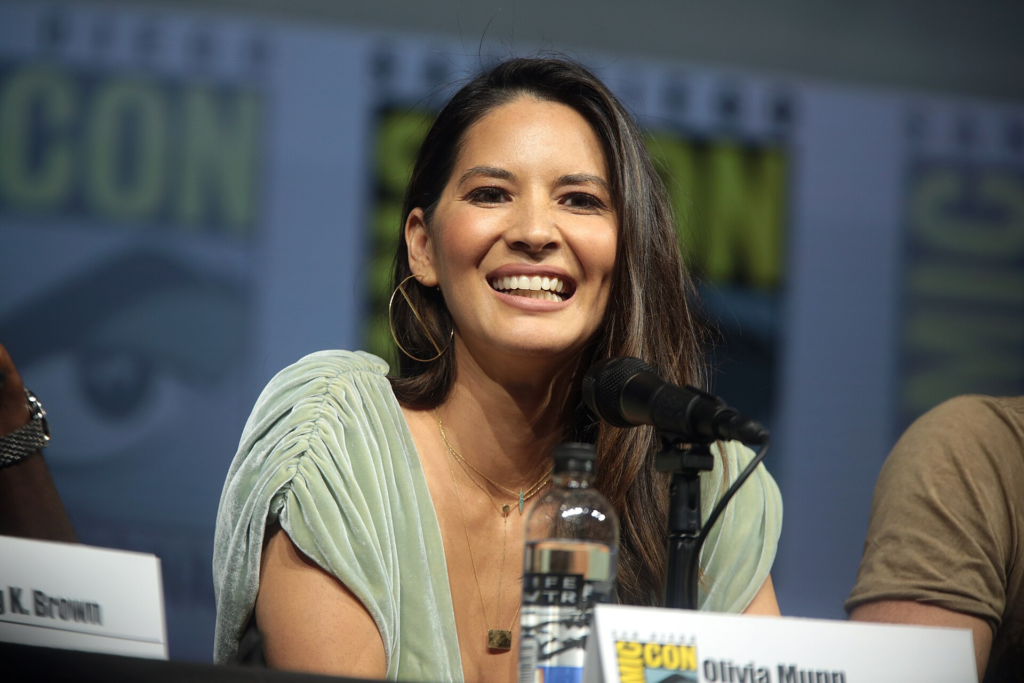
Her lines embody some silent yet strong truth about disease. No two experiences are the same even in common diagnoses. Such a discrepancy between the expectations and the reality may cause a feeling of loneliness which is hard to understand. And it is not only the disease itself, but the sense of being an outlier in the affliction which takes its toll.
That feeling of being isolated persisted until Munn discovered a public reflection by Kate Middleton, who has also talked about her cancer experience. Middleton, with his view, which was expressed with both clarity and emotional honesty, resonated with Munn as few things had done previously.
It was something Kate Middleton had discussed recently, and she had said it so succinctly (and) it moved me and it really brought me that sense of peace, because I now had words to back it up.
It is not about medical advice and solutions that are important about that moment, but recognition. In some cases, the best thing that patients require is not some kind of a remedy, but rather assurance that they are experiencing what they feel and that they are not alone. The words of Middleton provided just that.
“She was like, ‘You think that the big things are the things you have to worry about,’ I’m paraphrasing her, ‘But it’s the treatment after you’ve gone through the big things that’s really taxing and hard on you.’ And I was like, ‘Oh, somebody else is feeling that.’ ”
It was such a simple realization, but with great emotional power. To Munn it was the beginning of self-doubt to self-understanding. The cancer story tends to focus on such milestones as diagnosis, surgery, or remission. However, as both Munn and Middleton note the aftermath can be just as, or more, difficult. The body is still healing but it is also still struggling, mostly invisibly to others.
Munn thought that hearing another person say that experience made her retell her own. She started to accept it as a part of a larger and collective reality among survivors and not to ask herself why she was finding such a hard thing to recover.
“That’s where it feels really good . when you hear other people’s experiences, because it is true; you feel so much better when you know you’re not alone.”
There is a silent universality of that. Disease and especially such a complicated disease as cancer can isolate people despite the support they have around them. Discussions such as these make that difference, transforming personal struggles into mutual knowledge. It is in the last few years that a greater number of public figures have started talking publicly about their health experiences, and normalizing conversations that were previously closed off.
The story of Munn is also indicative of a wider change in the understanding of recovery. The medical progress has elevated the survival rate but there are challenges that are associated with survivorship. Common are fatigue, emotional swings and residual physical pain, which are usually underrepresented in the mainstream discourse. Through her candidness, Munn helps us to have a more holistic and loving idea of what healing really looks like.
Simultaneously, her experience is a reminder that it is imperative to be careful with comparison, particularly when it comes to health. Every body is different and every recovery takes its time. The anticipation that there is a normal manner of experiencing treatment may unconsciously contribute to feelings of inadequacy or alienation in cases where things are not normal.
In addition to her health experience, Munn has remained active in her career. Her performance in Your Friends and Neighbors with James Marsden indicates her determination to get ahead, despite personal barriers. It is a fine line that most individuals aim to keep in order to have a feeling of normalcy and cope with the continued impact of illness.
Such stories as the one by Munn fail to provide simple solutions and they do not strive to make a complicated experience simple. They present a window into the realities that are unspoken instead. The emotional burden of therapy, the uncertainty of healing, the reassurance of mutual comprehension is all a piece of a bigger, more complex puzzle.