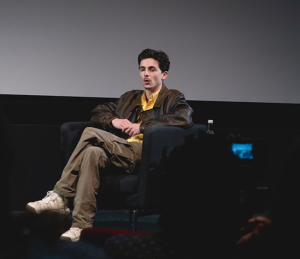
The recent rediscovery of an interview with Timothée Chalamet has recently caused controversy in the performing arts sector, with his statements attracting intense responses among opera and ballet practitioners who felt that older arts were disregarded by the performer. The remarks were first published in a group discussion with actor Matthew McConaughey, but after the tape of their conversation went viral across social media the comments re-emerged. When the video began to trend, the artists and viewers relating to classical performance traditions were upset and angry, and referred to the formulation as too dismissive and devoid of the cultural importance of these practices.
This interaction occurred in one of the live discussions held by the entertainment magazine Variety. The occasion was dedicated to the shifting nature of the film and narrative, especially whether the new generation viewers are still patient enough to watch slower and more deliberate types of film. Both the actors looked back at their experiences of working in an industry that is growing progressively competitive to digital entertainment that is fast and streaming services with shorter attention span.
In his argument, Chalamet contended that young audiences can even find serious movies intricate to watch. He used the examples of projects which still attract so much attention among the audiences and have more serious issues or less dynamic narration. An example he brought up was that of Frankenstein, in which he proposed the idea that thoughtful cinema continued to have a role in the contemporary culture provided that it was packaged in the appropriate manner. Simultaneously, he also admitted that the marketing strategies usually influence the perception of the audiences of the films even before they watch them.
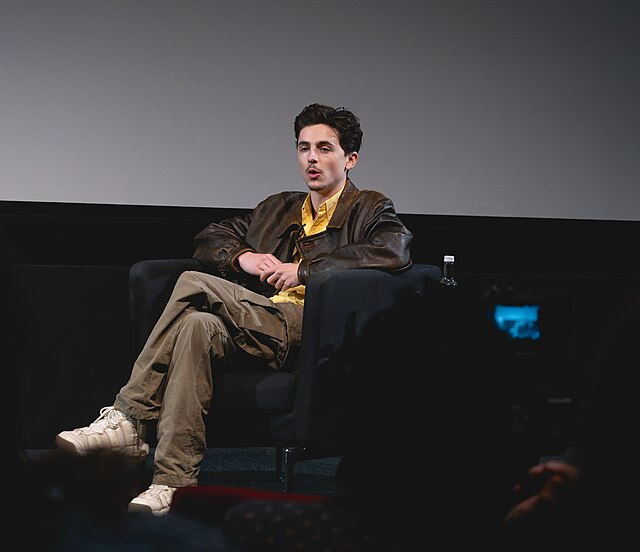
It does force you to raise a flag of, Hey, it is a serious movie, or something and some people want to be entertained and fast. I am quite literally in the middle, Matthew,” Chalamet said. I admire individuals, and I have done the same, who turn on a talk show and tell us, “Hey, we need to keep movie theaters alive, we need to keep this genre alive, and another part of me thinks that, in case people want to watch it, like Barbie, like Oppenheimer, they are going to watch it and will make a point to be very vocal and proud of it.
His comments have brought out the influence of huge culture of movies like Barbie and Oppenheimer, which were two films that attracted the entire world and the masses of people flocking cinemas. To most observers, the analogy brought out a wider discussion that was going on in the entertainment industry regarding the type of storytelling that are appealing to the contemporary audience and how filmmakers can retain their attention.
However, the tone of the discussion changed when Chalamet started thinking about the issues of some traditional performing arts. When addressing the issue of whether or not certain artistic professions need constant popularization in order to stay viable, he gave examples of opera and ballet as the instances of the art forms that occasionally depend on the campaigns that persuade the audience to patronize them. His statement was in a jocular manner, and he was laughing but soon it became the centre of criticism when the clip re-emerged.
I do not want to be a dancer and performer in ballet or opera where it is like, Hey! Still keep this alive, you fool, no one cares about this anymore, he said laughing. “All respect
That was a nerve-picking statement among many people in the performing arts world. Opera singers, ballet dancers, and the educators of arts pointed out that these forms of arts remain flourishing in most regions of the globe, with their strong audiences and passionate performers, who train many years of their life on perfecting their skills. The critics said that by portraying them as insignificant, the cultural background and artisanism they embody are ignored.
Both Opera and ballet are not only forms of entertainment but also a historic form of music, movement and storytelling that has been developing throughout centuries. Colleges in Europe, North America, and Asia are still performing sell-out productions, educating young performers, and exposing new audiences to such traditions. The theaters in cities where the culture of strong performing arts is promoted are usually full of people that appreciate the immersive and emotional experience that these live performances offer.
The mockery of Chalamet is a part of a larger disagreement between contemporary entertainment patterns and classical art. Film and streaming media tend to dominate cultural discourse in the modern world, and classical performing arts do not always find their place in a mass culture that is consumed rapidly and virally. Critical comments made by influential people by some artists are believed to be dangerous since they tend to reinforce the notion that older forms of art are a thing of the past, despite the fact that they have loyal communities of followers.
It is also noted by the observers in the world of arts that the actors themselves tend to be inspired by classical traditions. The practice demanded on opera singing or a ballet dancer is similar to the effort that actors put into their roles. Most actors train in theater, music, or motions, and then move to film, and therefore the connection between the two art forms is more intertwined than it may seem at first glance.
However, Chalamet supporters indicated that the remark could have been taken as a jibing comment and not a serious one. Most cases of interviews and open discussions usually contain spontaneous comments which are then construed in a manner that the speaker might not have expected. There is a high likelihood that in the busy world of the social media, a single sentence can be exaggerated by a short clip taken away of the greater scope of the discussion.
Chalamet himself has established himself as one of the most considerate young actors in Hollywood, particularly when it comes to picking roles that delve into the complicated emotional issues. Critical acclaim and a fanatic following in audiences who enjoy his dedication to challenging material have ensued with his performances. Due to such a reputation, the backlash of this very comment has shocked certain fans who see him as a person, who is fully devoted to the art.
The response towards the interview also indicates the intensity of people regarding the importance of conserving the cultural traditions. The Opera Houses and ballet troupes worldwide keep on transforming with new choreographies, trying new movements, and trying with different world composers and directors. These attempts show that the classical art forms are not stagnant but do change with the time and with the new audience and artistic influences.