The Bitcoin plunged below the previous level of 68,000 and it caused a panic in the world financial market and investors were reminded that digital assets are still very vulnerable to real-life happenings. The sharp decline was preceded by a rise in geopolitical tensions in West Asia due to sharp statements of Donald Trump, who threatened to use harsh means to destroy the infrastructure of Iran. This change of the tone was quite unexpected, particularly because he had just a few moments before pointed out that he could be looking into the possibility of winding down the conflict in the region. That sudden change of direction shook markets almost immediately.
As a trader, one will be used to such moments. At times, crypto markets have the characteristics of a high-speed amplifier of uncertainty in the world. Traditional markets are more prone to slow down and cryptocurrencies are more likely to swing in a higher and more pronounced reaction. This time was no different. To put it differently, the Bitcoin price started falling within several hours after the comments, with a market failure under a psychologically significant threshold that initiated a sequence of events across the trading platforms in the global market.
The leverage traders suffered the blow when the prices went down. Within an hour after the announcement, more than 240 million leveraged crypto positions were destroyed. Total liquidations went over the billion marker in a complete 24-hour time. The most notable fact is that close to 980 million of those losses were accrued as a result of bullish bets. A lot of traders had placed themselves such that they were looking forward to the prices to increase only to be taken by surprise when the prices began to plummet. Markets have a negative price movement against leveraged positions in markets, and when this occurs, trades are automatically closed to prevent additional losses, pushing prices even farther. This is a ripple effect that may cause volatility to escalate in minutes.
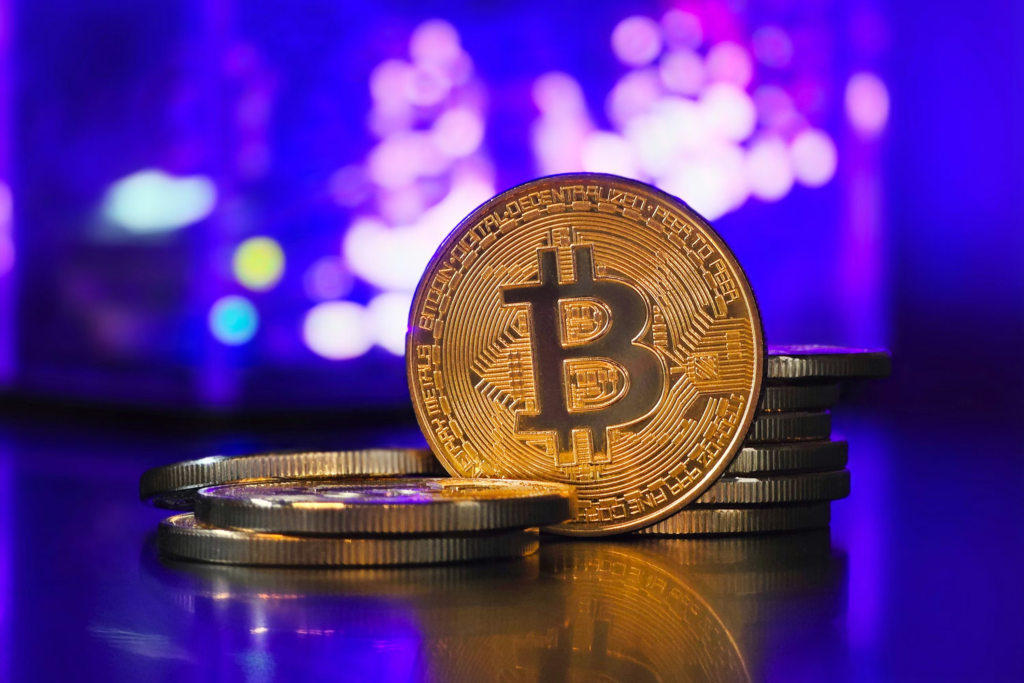
The drop to below $68,000 was not a one-time affair since there was a wider pullback that had already commenced earlier that week with Bitcoin. The cryptocurrency had begun to weaken after reaching a 6-week high near the 76,000 mark. Bitcoin had found itself in a weak situation by the time markets responded to the geopolitical developments. The extra strain was a knock on the door and the fall continued to gain pace, rocking the faith of short-term investors.
Nevertheless, the price of Bitcoin sharply declined and then stayed around the levels of approximately $70,000, which is approximately at the same level as it was the week before. This indicates that the short-term response was dramatic, but the trend in the long term might not have necessarily been reversed. Nevertheless, the volatility underscores a major fact about crypto investing. The prices do not just rely on the internal forces like network growth or adoption. There can be no greater influence than external forces such as political statements and global tensions.
The relationship between geopolitics and cryptocurrency markets is becoming more apparent over the past few years. Conventionally, assets such as gold have been considered to be safe harbours in periods of uncertainty. Bitcoin, in its turn, is in a more complicated position. It is considered to be digital gold by some investors and a high-risk type of investment by some other ones who treat it like a tech stock. The result of this ambivalent identity is oftentimes contradictory behavior. During times of panic, rather than being a safe place to keep money, Bitcoin may plummet, as traders scramble to divest themselves of the investment.
The additional pressure has been put on inflation concerns and uncertainty on interest rates. Risky assets are likely to be adversely affected when central banks convey the message of tightening their monetary policies. The increase in interest rate makes the less risky funds, such as bonds, more appealing and will push the money out of the risky market such as the cryptocurrencies. Meanwhile, the nagging inflation fears leave investors at cross roads on where to invest their funds, which further adds to the volatility of the market.
The interesting aspect of this situation is the fact that the sentiment may change so fast. Only a few days before, positivity was on the rise as Bitcoin was nearing its new highs. The bullish positions were the majority on the market, and traders were optimistic. But one geopolitical process was sufficient to change that attitude completely. It is a reminder of the fact that crypto markets are not closed ecosystems. They are closely interrelated to the world stories, psychology of investors, and macroeconomics.
Another realisation that has been experienced by seasoned investors is the fact that such volatility events form part of the crypto cycle. Rapid gains are usually followed by sharp corrections particularly where leverage is involved to a large degree. Although these movements may be disturbing, they also re-establish the market by eliminating too much speculation. Such corrections in a sense can provide a firmer basis on further development, but that firmness is not long lasting.
Simultaneously, the frequent instances of sudden price fluctuation pose significant questions regarding the significance of Bitcoin in the financial system in the long term. Is it really a good store of value when it responds in such a manner to external shocks? Or shall it be a high-risk, high-reward sentimental, speculative asset? These are questions that are in dispute by these institutions, regulators and the investors.
So far, the recent decrease to less than $68,000 highlights one of the most important but straightforward things. Bitcoin is still a product that is very sensitive to global events, be it an economic or political event. With the situation in West Asia simmering and no certainty over inflation and interest rates, it is possible that the cryptocurrency market will remain on its toes. The traders can also be more conservative, and unpredictable price fluctuations might be a hallmark of the near future.