Warner Bros Discovery is back in the middle of intense speculation in the industry as it allegedly considers a reopening sale negotiation with Paramount Skydance. The entertainment giant has been reviewing its strategic alternatives, according to Bloomberg News, after its competitor studio resubmitted an offer to it. It is a sensitive development, as Warner Bros Discovery is already under an agreement with Netflix, and the deliberations of the board will be of critical concern to shareholders and the media industry, in general.
At the center stage is the ability of Paramount Skydance to offer a stronger long term value proposition than the one currently engaged with Netflix. According to sources close to the case, the people in the board of directors of Warner Bros Discovery are actively trying to consider how the recent amended offer of Paramount can present a better financial and strategic route. Nevertheless, it is still unchallenged and the board might end up being determined to stay loyal to the Netflix deal.
Events such as these show how complicated top level corporate negotiations in Hollywood can be. The entertainment industry no more is about film industries and TV channels. It is streaming services, content libraries around the world, intellectual property giants and long term digital distribution plans. The holdings of Warner Bros Discovery, which hosts some of the most familiar entertainment brands in the globe, are highly desirable at an age where content determines the growth of subscriptions and expansion to the international frontier.
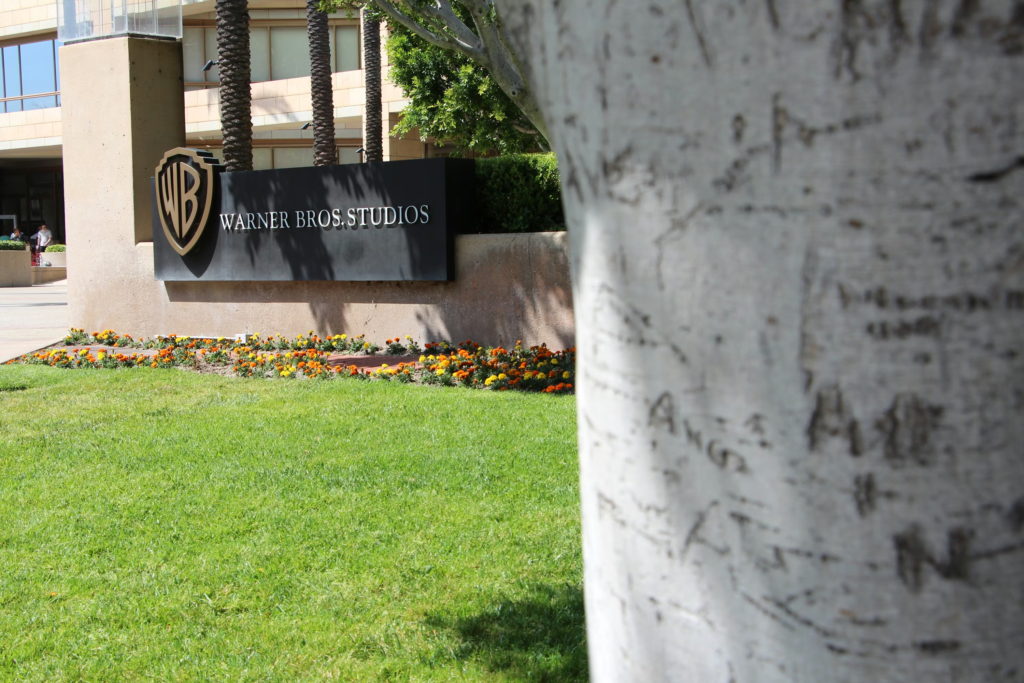
Recently, Paramount Skydance has increased its bid, in the hope that it can make its offer more attractive to shareholders of the Warner Bros Discovery company. It is worth noting that the firm provided other cash compensation as a quarterly ticking fee in case the transaction is not closed in a given duration. The redesigned deal will consist of a 25 cent per share quarterly dividend payment starting in 2027 until the deal is completed. This may be a ticketing fee that may cost Paramount about 650 million dollars in extra payments in the long run, as it is an indication of the readiness of Paramount to share the financial risk of possible delays.
Besides the ticking fee, Paramount Skydance would pay the large breakup fee that would be adopted by the Warner Bros Discovery in the event that it decided to abandon its current deal with Netflix. That termination fee is in the tune of 2.8 billion dollars, which is a substantial amount by Hollywood standards. In acquiring this potential liability Paramount is in effect reducing one of the largest obstacles that could scare Warner Bros Discovery into considering the alternative.
In spite of these sweeteners in terms of finance, Paramount did not raise its base offer price of 30 dollars per share. The proposed deal estimates the deal at about 108.4 billion dollars with debt. Valuation is not always half the battle in big scale mergers and acquisitions. There are timing, regulatory factors, debt structures, and long term synergy projections that are very critical. The boards should not only focus on the headline numbers, but also the execution risk and competitiveness in the future.
Regarding governance, the board of Warner Bros Discovery has a fiduciary responsibility of considering any proposal that has the potential of providing increased shareholder value. It does not necessarily imply the rejection of an existing deal especially when the existing deal has operational certainty and strategic clarity. The current deliberations that the company is engaging in are an indication of the seriousness that the directors ought to accord amended offers, particularly those that are made by established industry players who have the financial ability to implement.
The shifting alliances in the global entertainment market is also highlighted in the situation. Netflix has transformed into a distributor of the contents to a powerful production and streaming powerhouse that has redefined the behavior pattern and revenue strategies of the audience. In the meantime, mainstream studios like Warner Bros Discovery and Paramount are balancing between the theatrical release and streaming first models. This is not any ordinary financial transaction of mergers. They are structural bets regarding consumption of entertainment by audiences during the coming 10 years.
It is noteworthy that neither Paramount Skydance, nor Netflix responded publicly to spokesman requests as quickly as Warner Bros Discovery did. The silence in sensitive negotiations is a frequent occurrence especially when regulatory reviews, shareholder reactions, and competitive implications are still in the dark. Even minor utterances in the transactions of such a high stakes can affect the stock prices or negotiating power.
The most important question to investors is whether the adjusted terms of Paramount are fairly enough to cover the risks of parting ways with Netflix. The ticking fee plan tries to give the shareholders an assurance that they will not be left indefinitely without compensation. The breakup fee is essential to overcome a definite financial barrier. Some analysts however might doubt the value of the base offer remaining at 30 dollars per share as being entirely indicative of the long term growth capacity and value of the assets held by Warner Bros Discovery.
In terms of the industry on the whole, the theme of consolidation is pronounced. Increased costs of production and distribution of content, heavy concentration of subscribers in the global market, and the need to realize economies of scale have compelled media organizations to pursue strategic alliances. An effective deal between Warner Bros Discovery and Paramount Skydance has the potential to transform the market dynamics that will affect not only pricing strategies in streaming but also the nature of learn-outs in licensing deals. Meanwhile, the regulatory examination of mega mergers in the media and technology industries has increased over the last several years, which also adds an additional point of uncertainty.
After witnessing the speed at which the entertainment industry is transforming in the last ten years, a single trend is evident, and this is the fact that flexibility tends to become a competitive advantage. Firms that are ready to rethink assumptions and reconsider dealings are at times better off and even though the negotiations may lead to the initial plan being revisited after all. It does not mean that Netflix has been disappointed by the fact that Warner Bros Discovery is said to have changed its minds. Rather, it can be a wise management of a turbulent market.
The future of the board is still unpredictable since the board is still holding in-house deliberations. The company may reiterate commitment to Netflix, take up the improved offer that Paramount has or even put forward further revisions. Both avenues have a cost and strategic trade off. Instead of short term headlines, shareholders will probably be interested in clarity, certainty of execution and long term value creation.