The acquisition of Warner Bros Discovery by Paramount is in a more calculated and financially stratified stage, which explains the extent to which the stakes are now high in the consolidation of media globally. Paramount Skydance has transformed its bid without increasing its headline valuation by providing mechanisms that aimed at mitigating risk to shareholders of Warner Bros and exerting pressure on the other competitor Netflix deal. This shift is an emphasis on how current mergers are no longer about prices tags, but rather timing, regulatory confidence, and strategic patience.
The adjusted proposal is focused on a ticking fee that would recompense shareholders of Warner Bros in the event of the transaction failing by the end of 2026. Paramount has agreed to pay an extra 25 cents per share on each quarter of delay beginning in early 2027, which would equate to approximately 650 million cash a quarter. In practice, what this structure is recognizing is the investor fatigue after months of deal uncertainty and trying to place an actual price on the long regulatory or process holups. It is an indication that Paramount is sure that it can get closed sooner and is ready to invest actual money in that assurance.
Significantly, the company has not increased its total per-share bid which is at 30 per share, and this values Warner Bros Discovery at around 108.4 billion with its cable TV. Paramount has opted to distort the numbers under the headline, rather than making the headline figure bigger, the renegotiation of the economics is about timing and the security of the deal. It is indicative of a bigger trend in mega-mergers in which buyers are now increasingly using innovative financial applications instead of straightforward price hikes in order to persuade shareholders.
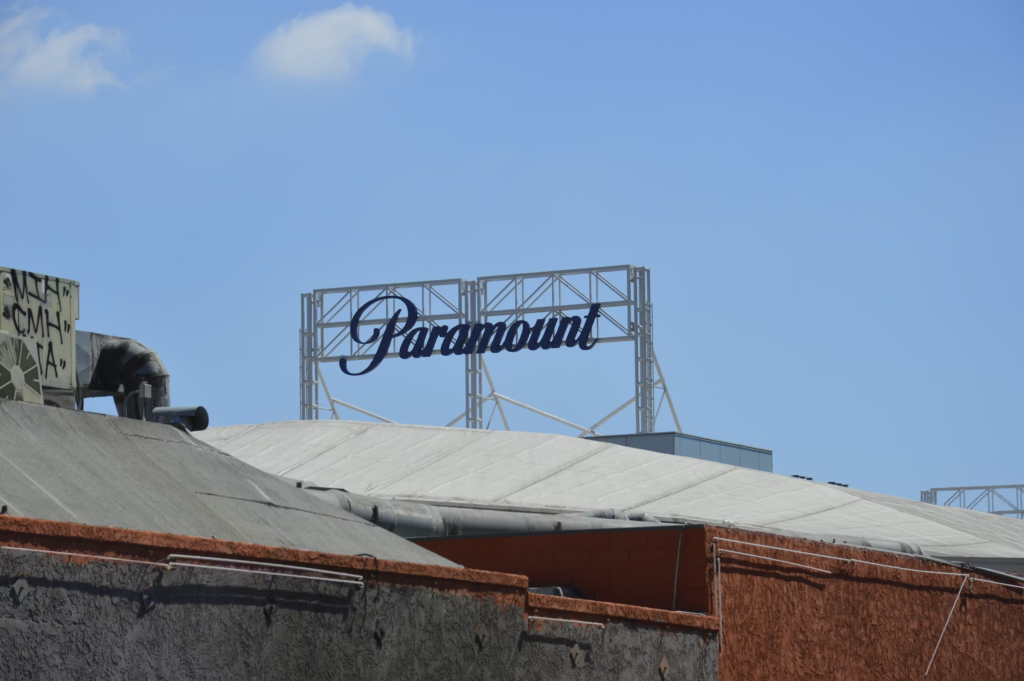
The most noticeable addition to the bid by Paramount perhaps is its readiness to swallow the $2.8 billion termination fee that Warner Bros would owe Netflix in case the current Netflix deal falls through. Netflix had already agreed on a deal worth 82.7 billion excluding cable business and concentrated on the Warner Bros. streaming and studio. Paramount alleviates a significant financial burden that otherwise could have been off-putting to Warner Bros because it offers to pay that breakup fee. The concession in question is a successful transfer of a significant risk off the balance sheet of Warner Bros. to the balance sheet of Paramount, which indicates the severity of its intentions.
The competition between Netflix and Paramount on the account of Warner Bros is much more than just a single business takeover. Warner Bros Discovery manages one of the richest content repositories in the entertainment space, and is home to globally recognized franchises that are still defining the popular culture. Game of Thrones, the Harry Potter universe, and iconic superheroes of DC Comics like Batman and Superman are long-term value that spans movies, television, streaming, gaming, and consumer products. The content presented by ownership of such assets provides not only content but also cultural relevancy and bargaining in a saturated streaming market environment.
Regulatory realism seems to be the basis of the strategy of Paramount, in an industry sense. The sweetened bid is seen by a number of analysts as an indication that Paramount is convinced that the Netflix deal will be subject to stricter regulatory scrutiny, especially considering the domineering influence of Netflix in streaming in the world. Paramount, in its turn, can arguably claim that its takeover would bring about a more balanced competitor and not further enhance the concentration in the market. It is possible that that perceived regulatory benefit is the reason why Paramount is optimistic enough to guarantee compensation on delays without reducing its base valuation.
Nonetheless, the market response is regarded as optimism with reservations instead of exuberation. The edging of Warner Bros Discovery shares followed the announcement in a modest manner, and Netflix also benefited as the investors got to appreciate the fact that the competition itself is value addition. Even the shares of Paramount marginally increased, which means that they showed support to the strategic intent, but were not sure enough that the bid would succeed. Investors seem to be considering whether these financial sweeteners are actually offsetting the risk of receiving a lower headline valuation than what some would like to derive out of Netflix.
This ambivalence is pointed out by analyst commentary. The sweetened offer, as it is being described by Paolo Pescatore of PP Foresight, still seems to be wanting. It does put pressure on Warner Bros and it does in a way close the excuses. That evaluation summarizes the fine line Paramount is struggling to walk. The firm is exerting moderate pressure without provoking bidding war, which may lapse into its financial restraint. It is an estimated risk that the shareholders of Warner Bros will appreciate certainty and regulatory predictability to the prospect of a larger but more speculative dividend.
It also has a human aspect of this lengthy battle which can be obscured by the figures. To shareholders, executives and employees, long deals cause uncertainty that may impact on morale, planning and creativity. A ticking fee is technical in nature, but connotes the reality of waiting in the real world. It is the acknowledgement that time is also valuable and this is particularly in an industry where the audience tastes, technology and competitive situations change at a very fast rate.
Meanwhile, the fact that Paramount did not offer to raise its headline to renegotiate can be perceived as a boundary setting action. It is an indication that the company feels that there is a rational limit to the value of the Warner Bros in the context of its wider strategic plan. At this point, by becoming stronger instead of more expensive, Paramount can be viewed as both a confident consolidator and not a desperate bidder as it does not need to overpay to secure a deal.
The prospective months will probably depend on regulatory indicators and boardroom estimations and not on the announcements made to the people. Warner Bros Discovery will have to balance the immediate certainty of the Paramount revised bid with the possibility of upside as well as regulatory challenges of Netflix. Paramount, in the meantime, has made a bet without any ambiguity that it can suffer longer, and succeed in obtaining regulatory confidence and well-calculated incentive, in lieu of a greater sticker price.