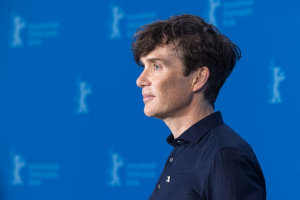
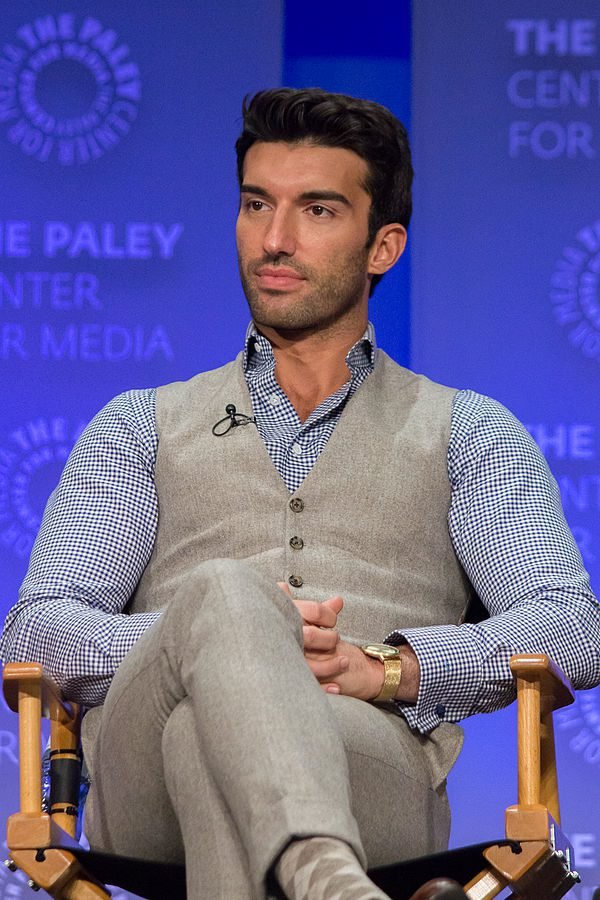
Blake Lively’s sexual harassment lawsuit has taken a decisive turn after settlement efforts failed in federal court, pushing the dispute closer to a full trial. What began as allegations tied to the production of the film It Ends With Us has now evolved into one of the most closely watched legal battles in recent Hollywood memory. With both sides leaving court without a resolution, the case appears poised for a courtroom showdown that could carry professional and reputational consequences far beyond the individuals involved.
The attempted settlement took place during a court-mandated mediation session in New York. Mediation is often seen as a critical opportunity for disputing parties to resolve matters privately, sparing themselves the emotional toll, public scrutiny, and financial burden of a trial. In federal cases, judges frequently encourage such discussions in hopes that both sides can reach common ground. However, despite spending hours in separate rooms within the courthouse, no agreement was reached.
At the end of the daylong session, both parties exited without addressing the media waiting outside. Silence in moments like these often speaks volumes. When legal representatives step forward instead of their clients, it signals that strategy is now firmly in the hands of attorneys rather than public relations teams.
Bryan Freedman, Baldoni’s attorney, confirmed that the mediation concluded without a settlement. While he acknowledged that an agreement could still technically be reached, he suggested the possibility was slim. Asked whether he expected the case to proceed to trial, Freedman responded, “I do. We’re looking forward to it.” The remark was brief, but it reflected a clear willingness from Baldoni’s legal team to argue their case before a jury if necessary.

At the heart of the dispute are Lively’s allegations that she was subjected to harassment during the filming of It Ends With Us. She further claims that after raising concerns, a coordinated effort was made to damage her reputation through a smear campaign. These allegations elevate the matter beyond a typical workplace conflict. Claims of retaliation, particularly within the entertainment industry, often raise broader conversations about power dynamics, influence, and the protection of professional standing.
Baldoni has denied any wrongdoing. His legal team has characterized the accusations as exaggerated and insufficient to meet the legal definition of harassment. In a motion for summary judgment, his attorneys argued that the grievances described do not rise to the level required under federal law to sustain such claims. Summary judgment motions are strategic tools; if granted, they can significantly narrow or dismiss claims before trial, potentially sparing defendants from a lengthy legal battle.
Lively’s legal team, however, has maintained that the concerns were serious and shared by others involved in the production. According to her attorneys, multiple actors reportedly expressed discomfort regarding Baldoni’s conduct. They argue that these collective concerns underscore the legitimacy of the complaint and warrant evaluation by a jury rather than dismissal at a preliminary stage.
The judge overseeing the case must now weigh whether the complaint should proceed in full or be reduced before trial. These pretrial decisions can dramatically shape the legal landscape. If certain claims are dismissed, the scope of the case narrows. If allowed to move forward intact, both parties will prepare for what could become a high-profile public proceeding.
A trial date has been scheduled for May 18, placing a defined timeline on what has already become an emotionally charged legal conflict. Trials involving well-known actors often attract intense media coverage, and the courtroom can quickly become a stage of its own. In recent years, public trials in the entertainment industry have demonstrated how legal battles intersect with public opinion, social media discourse, and career trajectories.
Sexual harassment claims within Hollywood continue to carry significant weight in a post-MeToo era. The industry has undergone visible cultural shifts, with increased attention to workplace boundaries, accountability, and power imbalances. At the same time, courts operate under strict legal standards that differ from public sentiment. Allegations must meet specific evidentiary thresholds, and emotional narratives alone are not sufficient to establish liability. This tension between public perception and legal proof often becomes a defining feature of such cases.
From a broader perspective, failed mediation does not necessarily indicate hostility beyond repair. Sometimes, parties use mediation to assess the strength of each other’s positions rather than to finalize an agreement. The willingness to proceed to trial may reflect confidence, strategy, or simply a calculation that public vindication matters more than private compromise.
For Lively, the stakes extend beyond the immediate legal claims. Public disputes can influence casting decisions, endorsement partnerships, and long-term professional relationships. For Baldoni, the implications are equally significant. Even allegations that are contested can leave lingering reputational effects, regardless of ultimate legal outcomes.
Legal experts often note that workplace harassment cases hinge on documentation, witness credibility, and consistency of testimony. If the case reaches a jury, both sides will likely present sharply contrasting narratives about what occurred on set and how subsequent events unfolded. Jurors will be tasked with evaluating not just facts, but context and intent.
As the May trial date approaches, the legal process will continue behind the scenes. Motions, evidence exchanges, and procedural hearings will shape what ultimately reaches the courtroom. While mediation failed to bring closure, it clarified one thing: neither side appears ready to step back.