The Galaxy S26 range of Samsung products is already becoming one of the most anticipated smartphone releases of early 2026 not only in terms of what they would be, but what they would say about the future of Samsung flagship approach. With several industry insiders reporting, the Galaxy S26 product range is currently pegged to be introduced in a worldwide release on February 25, which is a significant break with Samsung launching the Galaxy S series in January. Although the company has not been vocal yet, the increasing trend in consistency of independent reports indicates that this change is perhaps more intentional than an accident.
Galaxy S26 series will be a follow-up to Galaxy S25 models that will be launched in January 2025. Similar to new generations, Samsung will probably launch three models: Galaxy S26, Galaxy S26 +, and the Galaxy S26 Ultra. It is this ubiquitous design that is enabling Samsung to serve a vast spectrum of high-end customers, both the compact flagship and power customer who needs the finest display, camera and performance available by Samsung.
In case the date of February 25 is valid, it would be a significant shift in the product calendar of Samsung. Traditionally Galaxy S releases occurred in the last weeks of January when Samsung could enjoy an early advantage in the high-end smartphone market before the rest could roll theirs out. A late-February release is an indicator of internal re-organization, perhaps related to production timelines, component supply, or a more strategic-wide decision by Samsung in its mobile division. In terms of industry, a delay of a few weeks can have a trickle down effect on supply chains and marketing strategies particularly in a competitive market like flagship smartphones.
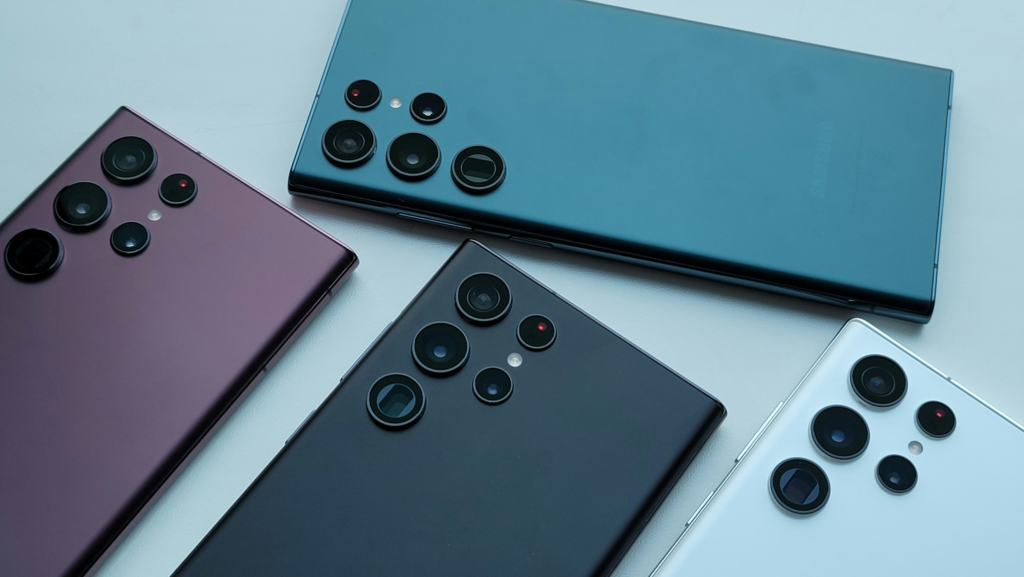
To further confuse the situation, it is hinted that the Galaxy S26 series might not enter the store shelves as soon as it will be unveiled. It has been reported that retail availability may be delayed until late March, and that this will create a very unusual delay period between announcement and sales. This is among the stranger elements of the leaks to long-time Samsung observers. Samsung has a tendency to jump immediately off the launch event to the end-user market, with a rapid push powered by incoming media and buzz. A delay of a month might indicate a conservative approach to their inventory or end of cycle adjustments, both of which would indicate a more restrained approach to this release cycle.
Meanwhile, the sources are not unanimous about the timing of the month of February. Previous speculations indicated that Samsung would continue with its customary routine and would conduct its Galaxy Unpacked occasion in late January 2026. This contradicting news highlights one of the recurring facts of pre-launch reporting: until Samsung sends official invitations, all the dates are tentative. Nevertheless, the fact that the same date (25 February) is replicated in different leaks makes it heavier than an average one-time rumour.
Outside of timing of the launch, pricing is becoming a delicate subject of Galaxy S26. The mobile phone market is still struggling with the increase in the price of components, especially of memory and storage. Such rises have already trickled down to pricing strategies of various major brands and there is no chance that Samsung will escape this. Although there are no solid pricing estimates that have been made, it is believed that Samsung might find it difficult to maintain the prices of Galaxy S26 at the same level as Galaxy S25 series. Even small increases in price may affect the perception of consumers, particularly in areas where flagship smartphone pricing has continued to increase in the last couple of years.
Samsung is in a difficult balancing act, strategically speaking. On one side, the increased costs might lead to increased prices to ensure the protection of margins. On the flip side, fierce pricing by the Chinese market rivals and cut-throat competition by Apple implies that Samsung cannot allow itself to be priced out of a loyal Galaxy user base. The manner in which Samsung is marketing the Galaxy S26 series on this front can tell just as much about the confidence of the market as it can tell about hardware innovation.
The Galaxy S26 series has many other attributes that are as technical as the processor strategy. Samsung will follow a similar practice as it has been the case in the past whereby it is supposed to use a dual-chip strategy that will be region-based. The Galaxy S26 with Samsung upcoming Exynos 2600 chipset, which is said to be made on a 2nm manufacturing process, will be tipped to go to select markets such as South Korea. This could be a significant milestone in the semiconductor aspirations of Samsung as it would be at the forefront of chip fabrication as long as this is true.
The versions intended to be sold to other regions will probably have a processor of Qualcomm Snapdragon 8 Elite Gen 5, which will probably be built on a 3nm process. This dual-use strategy has been one of the most contentious issues among fans and critics and, performance, efficiency, and thermal conditions have been subject to a close comparison between the Exynos and Snapdragon models. In the case of Samsung, the Galaxy S26 family might be a chance to regain faith in its own Exynos platform, particularly when the transition to 2nm will provide a real difference in real-life performance and battery capacity.
In a larger, industry wide sense, the Galaxy S26 is more of a re-calibration on behalf of Samsung than another, of an annual upgrade model. The real-ignored schedule, possible sales stress, experimentation of the chipset and pricing pressures are all indicative of a company that has to be in a complex situation of premium smartphone market. Consumers are retaining their devices longer, cycles of innovation are more incremental and demands of reliability and long term value are higher than ever before.
The perception of users is also undergoing a change. The smartphones have become flagships whose features are not evaluated based on what they claim in the headlines but the smooth integration of features to their lives during more than one year. The battery life, the software, the heat control and the stable camera functionality are now as important as the raw power. The choices Samsung will make regarding the Galaxy S26 series will probably take this fact into account, although those choices will not be immediately evident in a specifications sheet.