The smart phone market across the world managed to stand on its feet once more in 2025 but this time with a noticeable recovery of just a small number of percentages after the years of uncertainty. Based on new estimates by Counterpoint Research, global shipments of smartphones have increased by 2 per cent per year, as a result of increased consumer buying power and better economies, especially in emerging regions. Apple was the centre of this recovery and became the undisputed market leader, with a 20 percent share worldwide, the largest among all the major brands of smartphones.
The performance of Apple in 2025 was not established on novelty. It was an even greater change in the purchasing behavior and location of smartphones. Although the markets like the North America and North Europe which are mature generated steady replacement demand, a large portion of the Apple momentum was reflected in the emerging and middle scale markets where aspirational buyers are more likely to invest in high-end devices. The success of the iPhone 17 series was also critical to this success as Apple was able to access new consumers without losing its hold on loyal users who upgrade regularly.
Also, there is an impression that the ecosystem advantage of Apple still pays off. In most of the territories, smartphones stopped being independent devices and became portals to digital payments, entertainment, health monitoring, and employment. This digital lifestyle has enabled Apple to position the iPhone as the hub of this lifestyle thereby vindicating its pricing in markets that were previously deemed to be too cost-conscious to adopt high-end brands. Counterpoint analyst Varun Mishra explained the success of Apple with its leadership due to a robust demand in the new and mid-tier markets due to high sales of the newest iPhone brand.
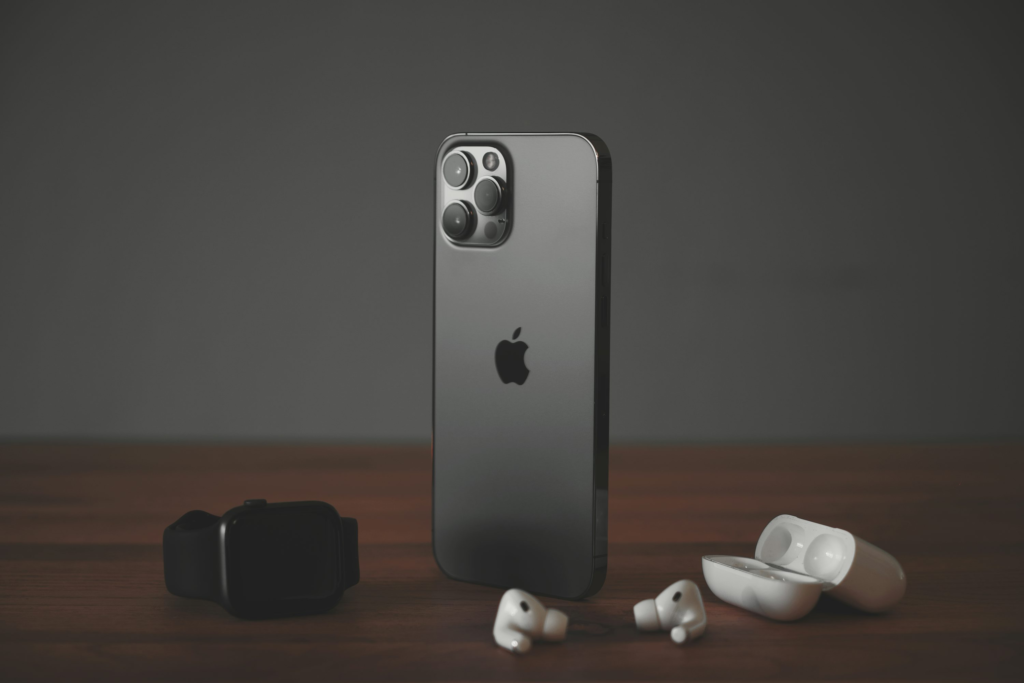
Samsung came after it acquiring the second position with a share of 19 percent in the world smartphone market. Although its shipment growth on a year-on-year basis was relatively low, Samsung also enjoyed the advantage of having a broad product portfolio that cuts across both entry level products and its flagship high-end phones. This general strategy enabled the company to be strong in the markets where consumers are more wary of expenditure. The consistent presence in developed and developing markets helped Samsung to remain competitive despite the fact that the market had slightly shifted towards high-end products.
Xiaomi took the third place with an 13 percent market share, and it is still largely dependent on the demand of emerging economies. The value-based approach of the brand along with the local production and low prices made it remain relevant in quite competent markets. The strength of Xiaomi is in the fact that it can expand its operations rapidly and adjust to regional tastes, particularly in Asia, Latin America, and some parts of Eastern Europe. Although it is not as profitable as Apple, its model of volume-based business continues to entrench it in the smartphone world of the world.
The response of manufacturers to geopolitical and trade pressures in changing their shipment strategies was one of the more interesting dynamics of 2025. At the beginning of the year, some smartphone manufacturers hurried their deliveries, as they were afraid of possible tariffs. This front-loading created artificially high shipment numbers that between the time it took place and the time of reporting did not misrepresent the market as badly as some analysts had feared. Later into the year the effect of all these opening moves weakened and second-half volume shipment levels were not much affected. This is an indication that the main driver of growth was through the underlying consumer demand and not short term policy maneuvering.
Symbolically, the 2 percent growth might not seem substantial in terms of development of the industry but it carries a symbolic meaning. Longer replacement cycles, saturation of the smartphone industry, and economic uncertainty are long-term problems being experienced by the smartphone market. A slight growth is a good indicator of a newfound promise among consumers, especially in places where smartphones continue to be viewed as the means of social mobility, education, and economic inclusion. In most new markets, possession of an effective smartphone does not merely constitute communication, but it also entails accessibility to online services that determine the everyday life.
The hope around the year 2025 is however tainted with the fear of the future. Leading players in the industry are already claiming that the world smartphone market may experience headwinds in 2026. The lack of chips and the increase in component prices will put a strain on production and prices. Semiconductor data centres are gaining priority in the industry as they are providing greater margins and long-term growth opportunities than the consumer electronics. This will lead to the smartphone manufacturers competing at a more expensive rate over scarce supplies of chips. The pressures, according to Counterpoint research director Tarun Pathak, might make the market soft next year.
This possible slackness poses critical questions regarding the adaptation of the smartphone brands. Apple, because of its scale, supply chain control and long term supplier relationship may be in a better position to absorb the increased costs or charge it to the consumer without affecting demand so much. Resorting to brands with smaller margins, especially those that target low-end markets may have more difficult decisions. In order to remain competitive, they might have to sacrifice features, postpone launches, or re-evaluate pricing strategies.
Innovation fatigue is also a question on a bigger scale. As flagship launches keep creating hype, a number of consumers believe that yearly upgrades provide marginal gains as opposed to radical change. In this regard, the emerging market-led growth is even more intense, with first-time buyers and early adopters bringing energy to the market. This is one of the attributes that Apple has managed to achieve in 2025 by being mindful of its brand identity and taking on these segments without losing its identity.
Simultaneously, the market leadership perception is changing among the population. Holding first place in the market share is no longer the surest way to be respected everywhere. Other consumers are still suspicious of high cost and others wonder the effect of high-frequency upgrades of their devices and their environmental costs. These discussions are also becoming a trend on how brands articulate their value and responsibility.