Amazon has once again stepped into the legal spotlight in Europe, this time reaffirming its decision to challenge an antitrust fine imposed in Italy, even after the penalty was significantly reduced by a court. The case reflects the growing tension between global technology giants and European regulators who are increasingly determined to scrutinize market dominance, competition practices, and the long-term impact of digital platforms on local economies.
At the heart of the dispute is a fine originally imposed in 2021 by Italy’s competition authority, which accused Amazon of abusing its dominant position in the e-commerce logistics market. Regulators argued that the company unfairly favored sellers who used its own logistics services, effectively limiting competition and making it harder for rival logistics providers to operate on equal terms. The original penalty amounted to 1.13 billion euros, one of the largest antitrust fines ever levied against a tech company in Italy.
In September last year, a regional administrative court reviewed the case and ordered a reduction in the fine. Following that ruling, Italy’s antitrust authority announced earlier this week that the penalty had been cut to 752.4 million euros, equivalent to roughly 876 million dollars. While this reduction might appear substantial, Amazon has made it clear that the company does not see it as a victory or a compromise worth accepting.
Amazon stated that it intends to appeal the ruling, maintaining that it should not be fined at all. In an emailed response to Reuters, the company said, “As previously stated, we strongly disagree with the decision of the Italian Competition Authority and we will continue to emphasize our position throughout the legal proceedings.” The statement underscores Amazon’s consistent stance that its business practices are pro-competitive and designed to benefit customers and sellers rather than restrict the market.
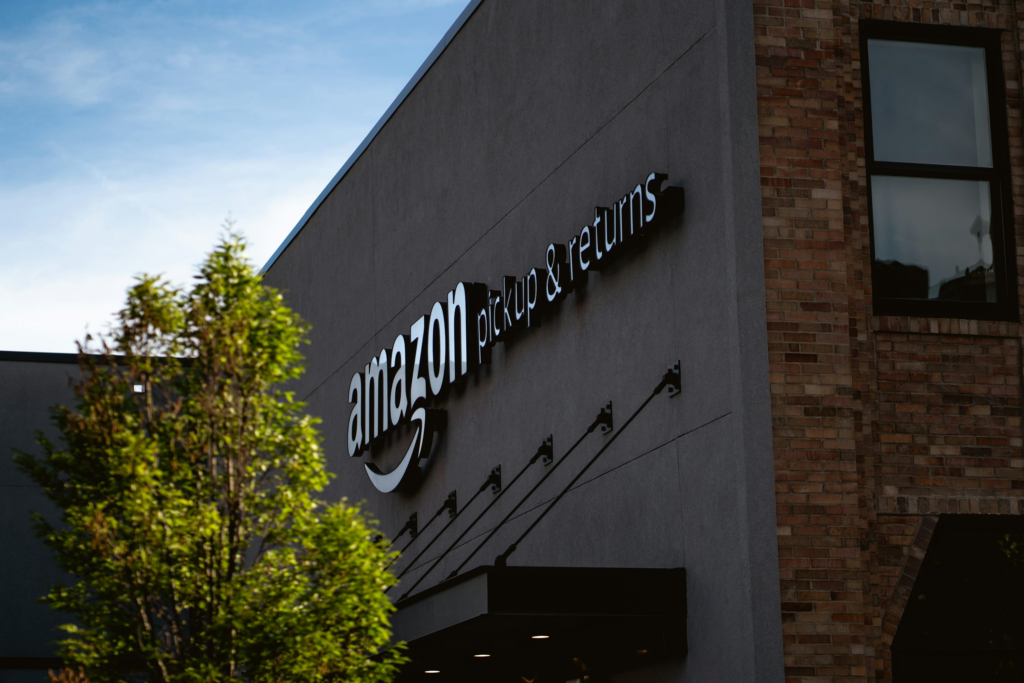
From Amazon’s perspective, its logistics network, including services such as Fulfilment by Amazon, has helped raise service standards across the industry. Faster delivery times, reliable returns, and trusted customer service have become expectations rather than luxuries, largely due to the infrastructure investments made by large platforms. Amazon has repeatedly argued that sellers are free to choose alternative logistics providers and that participation in its ecosystem is not mandatory. The company views regulatory actions like the Italian fine as a misunderstanding of how modern e-commerce operates at scale.
However, Italian regulators see the issue differently. Their investigation concluded that Amazon leveraged its dominant marketplace position to steer third-party sellers toward its own logistics services, creating an uneven playing field. By tying visibility and sales performance on its platform to the use of its logistics network, regulators believe Amazon effectively discouraged competition and strengthened its grip on the market. This interpretation aligns with a broader European regulatory philosophy that prioritizes market fairness and seeks to prevent any single player from becoming too powerful.
What makes this case particularly notable is that both sides now plan to appeal. According to reports by Italian financial newspaper MF, Italy’s antitrust authority also intends to challenge the court decision that reduced the fine. This means the legal battle is far from over and could continue for years, moving through higher courts and potentially setting precedents for how digital platforms are regulated in Europe.
For observers of European competition law, this case feels familiar. Over the past decade, regulators across the European Union have increasingly taken action against major technology firms, citing concerns over data control, market dominance, and unfair competitive practices. Companies like Google, Apple, Meta, and Amazon have all faced investigations, fines, or legal challenges in various EU countries. Italy’s action against Amazon fits neatly into this wider pattern of assertive enforcement.
There is also a political and economic dimension to the dispute. Local logistics providers and smaller e-commerce players have long argued that they struggle to compete with Amazon’s scale, pricing power, and integrated services. For regulators, addressing these concerns is not just about enforcing the law, but also about protecting local businesses, encouraging innovation, and ensuring that digital markets remain open and competitive. At the same time, governments are aware that companies like Amazon are major employers and investors, which complicates the balance between regulation and economic growth.
Amazon’s decision to continue appealing, even after the fine was reduced, suggests a strategic calculation. Accepting the penalty, even a smaller one, could be seen as an admission of wrongdoing and might encourage similar actions in other jurisdictions. By contesting the ruling fully, Amazon is signaling that it is willing to defend its business model vigorously and challenge regulatory interpretations that it believes overstep legal boundaries.
The Italian antitrust authority declined to comment publicly on Amazon’s latest move, sticking to a cautious approach as the legal process unfolds. This silence is typical in ongoing cases, where public statements could influence proceedings or be interpreted as prejudging outcomes.
For consumers, the implications of this case may not be immediately visible, but they are significant in the long run. Decisions about how platforms like Amazon operate can affect prices, delivery options, seller diversity, and even the availability of certain products. For sellers, especially small and medium-sized businesses, the outcome could influence how much freedom they have in choosing logistics partners without sacrificing visibility or sales.
As the appeals move forward, the case raises broader questions that remain unresolved. How should dominance be defined in digital markets that evolve rapidly? Where is the line between efficiency-driven integration and anti-competitive behavior? And can regulators keep pace with business models that blur traditional boundaries between marketplace, service provider, and infrastructure owner?