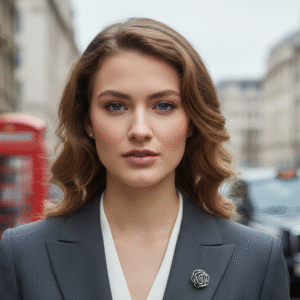
Zara has made a big move into the changing realm of artificial intelligence by using AI to make fashion photos. This is another big change for the fast-fashion sector. The worldwide retailer is now utilizing AI to make new pictures of actual models wearing different clothes. This is meant to speed up production times and is part of a larger change that is already happening in fashion marketing and photography.
Zara’s AI effort isn’t really about replacing people; it’s about coming up with new ways to make visual content in an industry that values speed. Fashion firms nowadays are under a lot of pressure to put out collections faster than ever, keep their online catalogs up to date, and meet customer demand across all digital platforms. AI-powered image production is an appealing option because it means you don’t have to take new photos every time you change the style or outfit.
Inditex, the corporation that owns Zara, has been cautious to say that this change is an improvement, not a problem. A firm spokeswoman said in a statement, “We are only using artificial intelligence to improve the way we do things now.” We work together with our valued models, deciding on everything together, and we pay them in line with the finest practices in the business. The focus on working together and getting permission shows that people are becoming more aware of the ethical usage of AI, especially when it comes to using images of actual people.
It is said that the method entails capturing authorized pictures of models and then utilizing AI techniques to change those pictures so that the same model looks different in different outfits. At least one model has stated that Zara asked for permission before changing their pictures and compensated them as if they had done another photo shoot, according to reports initially published by the London business newspaper CityAM. That aspect is important because it brings up a big worry about AI-generated images: will technology make it harder to get fair pay and job opportunities?

Other people are doing this experiment with Zara. Earlier this year, Swedish fashion giant H&M said it has made AI-generated “clones” of models for marketing purposes. European online store Zalando has also started using AI techniques to speed up the process of making images. Brands in the sector are making it clear that artificial intelligence is supposed to help creative teams, not get rid of them. The message is clear: the goal is to make things more efficient, not to lose a lot of jobs. Still, there is an unpleasant concern behind that reassurance: how many traditional roles will be needed as technology gets better?
What makes Zara’s decision so unique is that it is pushing for new technology yet its bosses have always respected conventional fashion photography. Marta Ortega, the daughter of Inditex founder Amancio Ortega and chair of the company, has talked freely about how much she loves photography and how important it is to fashion. Since 2021, her MOP Foundation gallery in A Coruna, the northern Spanish city where Zara was founded, has sponsored shows honoring some of the most important photographers in the field.
Annie Leibovitz’s work is on display at the gallery’s current show. Previous displays have featured famous photographers like Steven Meisel, who has worked with Zara for a long time, and Helmut Newton. These shows show how much people love the art, history, and emotional impact of fashion photography. In that light, Zara’s use of AI seems less like a rejection of art and more like an effort to find a balance between traditional art and current business needs.
Zara has likewise slowly moved toward a more upscale image under Marta Ortega’s leadership. The brand has cut back on the number of physical stores in favor of fewer, larger flagship sites that are meant to seem more open, elegant, and immersive. High-quality images are quite important for this upmarket shift, especially online, where pictures often make a customer’s initial impression. AI-generated graphics are consistent and fast, but they also make people wonder if digital perfection can replace the subtleties of a traditional shot.
The way the industry talks about AI as an innocuous tool for making things run more smoothly doesn’t make everyone feel better. Isabelle Doran, who is the head of the Association of Photographers in London, has said that the increasing use of AI in fashion photography could make it harder for photographers, models, and production teams to find work. She has said that fewer physical shoots equal less commissions, which hurts both experienced pros and newbies who are attempting to build their portfolios and reputations in a business that is already very competitive. For creative people who are just starting out, being able to work on real-world projects might make the difference between continuing in the field or quitting it for good.
There is also a bigger cultural worry about what fashion images mean. Photographers, stylists, makeup artists, set designers, and creative directors all work together on traditional photo sessions, each bringing their own skills to the table. AI-generated graphics, even when they are based on real models, make a lot of decisions based on software. Critics say that when spontaneity, imperfection, and human contact are taken out of the equation, something ineffable is lost, even though the outcomes may look good.
At the same time, it wouldn’t make sense to overlook the business reasons behind Zara’s choice. Fast fashion depends on speed, and AI can help with cost control and turnaround time in ways that can be measured. These efficiencies can mean that people who are used to getting continuous updates and having a lot of options can get new styles faster. For brands, they are a method to remain ahead in a digital market that is getting more and more congested.
Zara’s use of AI to make design images shows a conflict at the heart of current fashion: the need to respect creativity while also welcoming new ideas. The technology promises to be efficient and scalable, but it also goes against long-standing professional norms and creative traditions. How brands deal with consent, payment, and creative collaboration will determine whether AI becomes a quiet background tool or a powerful force.
The fashion world is paying careful attention, and one thing is apparent. Artificial intelligence is no longer a far-off idea; it is now a component of how fashion is seen, sold, and experienced. The real test for Zara and other fashion brands will be whether they can use AI to improve their designs without losing the human touch that has long been a part of fashion’s visual language.