WhatsApp has officially accused the Russian government of purposefully making it harder for millions of users to communicate privately as the country attempts to further limit foreign-owned internet companies. There are a lot of complaints of slowdowns and outages in Russia, which raises bigger questions about digital freedom, governmental control, and the future of encrypted messaging in the country.
WhatsApp, one of the most popular messaging apps in Russia, argues that the recent problems are not technical issues but a planned effort by the government to force the platform to follow local regulations. The company says that these steps put the capacity of more than 100 million Russians to communicate safely at risk, especially now as families and communities are getting ready for the holidays.
For months, the indicators had been getting worse. Russian officials have accused WhatsApp many times of not following the law, including requests to share data and work with the police. On Tuesday, the country’s communications regulator said again that WhatsApp might be banned completely if it doesn’t follow Russian rules for its services. Not long after those comments, monitoring websites and user reports showed that thousands of people were unhappy with slow connections, delayed messages, and brief outages.
A WhatsApp spokeswoman said, “By limiting access to WhatsApp, the Russian government wants to take away the right to private, end-to-end encrypted communication from more than 100 million people, just before the holiday season in Russia.” “WhatsApp is an important part of every community in the country, from groups of parents and coworkers to chats with friends, neighbours, and extended family in different parts of Russia.” We will fight for our users because forcing individuals to use less secure apps that the government requires will only make things less safe for Russians.
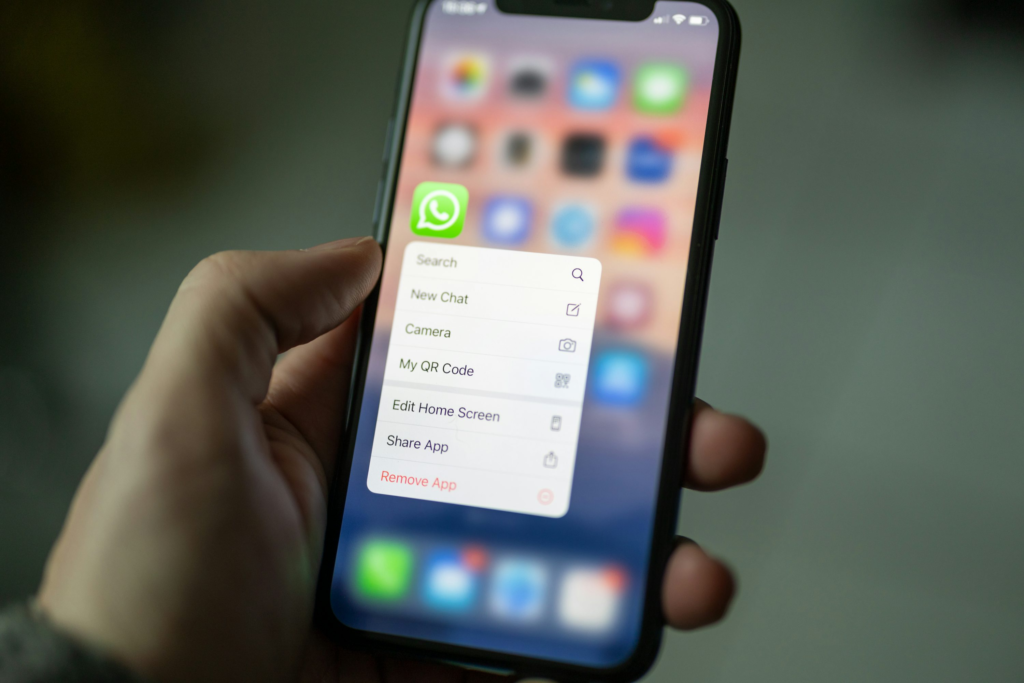
The company’s answer shows that they care about more than just business. WhatsApp is no longer just a luxury app for many Russians; it’s now a daily tool. It is used to make school announcements, coordinate work, keep up with what’s going on in the neighbourhood, and stay in touch with family members who live far away. Even small changes can feel like they’re getting in the way, and long-term limits could change the way people interact with each other.
Russian officials, on the other hand, see the problem in a quite different way. Roskomnadzor, the communications regulator, has defended its measures by saying that WhatsApp is a place where severe crimes can happen. “WhatsApp is still breaking Russian law. Roskomnadzor warned Russian state media that the messenger is used to plan and carry out terrorist attacks in the country, recruit people to conduct them, and perpetrate fraud and other crimes against our population. The agency said that because of these alleged infractions, it was taking steps to slowly limit the service.
This fight shows the long-standing conflict between Moscow and global tech corporations. In the last few years, Russia has slowly but surely strengthened its hold on the digital world by blocking or limiting access to big sites like Facebook, Instagram, Snapchat, and YouTube. Officials say that some services break local laws, distribute harmful content, or refuse to help with investigations. Critics say that the limits are part of a bigger plan to regulate the flow of information and make people less dependent on foreign technology.
The fact that WhatsApp is owned by someone else makes things even more difficult. Meta Platforms, a U.S.-based firm that has been under a lot of attention in Russia, owns the app. Facebook and Instagram, two of Meta’s other platforms, have already been blocked or substantially limited. In this context, WhatsApp has stayed one of the remaining major Western communication systems that still works rather well in the country, making it a very sensitive target.
Since August, the Russian government has already limited some kinds of calls on WhatsApp and Telegram, which is another popular messaging app. Officials said these steps are needed since foreign-owned platforms are said to not share information with police in cases of fraud or terrorism. The organisations involved have always said that end-to-end encryption makes it impossible to share data like this without putting users’ security at risk.
The Russian government has also been pushing a state-backed texting app called MAX at the same time. Officials say it’s a safe, domestically regulated option, but others say it might allow for massive user tracking and spying. Privacy groups are even more worried now that the campaign for a government-approved platform has begun. They say that limiting encrypted apps like WhatsApp may leave users with less safe ways to talk to each other.
From the user’s point of view, the timing of the restrictions has made things worse. During the holidays, people usually talk to each other more. Families, friends, and coworkers use messaging applications a lot to plan trips, parties, and get-togethers. Reports of slowdowns at this time have led to rumours that the pressure is aimed to make people switch from WhatsApp quickly before any official ban is issued.
The balance between national security and individual privacy rights makes this issue even more complicated. Governments all around the world are trying to figure out how to deal with crime and terrorism in encrypted digital environments. Russia’s approach, on the other hand, is different since it is willing to put in place broad limitations and push for state-controlled alternatives. WhatsApp’s public response shows that the firm perceives this as a major safety issue for users, not just a little regulatory issue.
It is still not clear what will happen. Russia has proved in the past that it will follow through on threats to block key sites, even if it means making people unhappy. At the same time, entirely shutting down WhatsApp would make it hard for millions of people to talk to each other and could lead to more condemnation from civil society groups and international observers.