Every few years, the same headline reappears with a slightly different costume: Tom Cruise is finished. This time, it’s dressed up as concern—claims that audiences are tired of his stunts, that his box office pull is fading, that the Cruise era is quietly ending. It sounds convincing if you skim the numbers without context. But when you actually look at the full picture, these articles say far more about modern movie culture than they do about Tom Cruise.
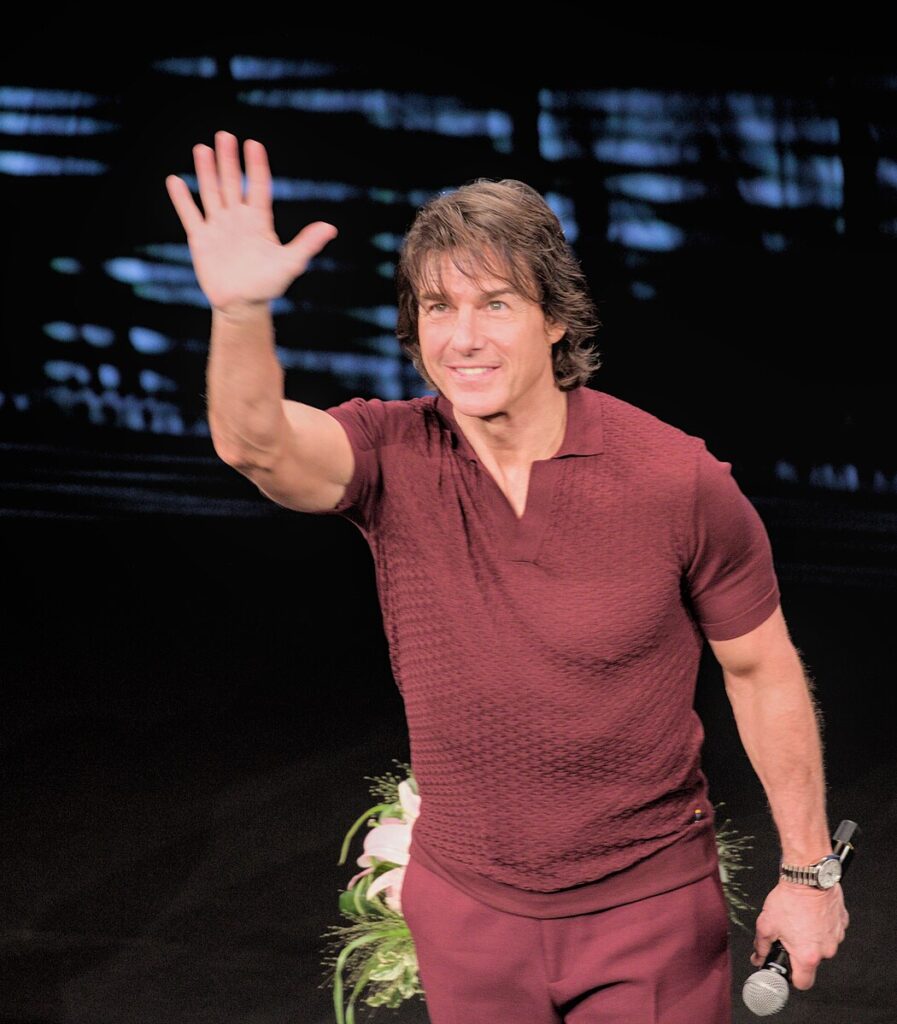
Let’s start with the most obvious contradiction. If audiences were truly “done” with Tom Cruise’s stunts, Mission: Impossible – Dead Reckoning Part One wouldn’t have drawn global attention months before release. The motorcycle cliff jump wasn’t just a stunt; it became a cultural event. Trailers were dissected frame by frame, behind-the-scenes footage went viral, and even people who hadn’t followed the franchise in years knew exactly what Cruise was about to do. That level of anticipation doesn’t come from a star who has “lost relevance.”
What critics often ignore is timing. Recent box office comparisons conveniently overlook the reality of a fragmented theatrical market. Post-pandemic audiences don’t behave like they did in 2015 or even 2019. Fewer people go to theaters regularly. Release windows are crowded. Streaming has reshaped expectations. Measuring Cruise’s performance against pre-COVID benchmarks without acknowledging these shifts is less analysis and more selective nostalgia.
Then there’s the assumption that spectacle fatigue equals Tom Cruise fatigue. The idea goes something like this: audiences are tired of big stunts, therefore they must be tired of Cruise. But that logic collapses the moment you look at how his films perform relative to similar-budget action movies. Cruise’s projects still over-index internationally, still drive premium format ticket sales, and still attract older audiences who rarely show up for superhero fare. That’s not decline—that’s differentiation.
Another popular angle is age. Cruise is often framed as defying time “one stunt at a time,” as if that’s a liability instead of his greatest asset. In reality, his age is precisely why audiences trust him. He represents continuity in an industry obsessed with reboots and algorithms. When people buy a ticket to a Tom Cruise film, they know what they’re getting: practical action, commitment, and a theatrical experience designed for the big screen. That consistency is increasingly rare—and increasingly valuable.
Critics also underestimate the long game Cruise plays. Unlike many stars who chase quick wins, Cruise builds franchises deliberately. Top Gun: Maverick wasn’t rushed; it was delayed repeatedly until it could be released properly in theaters. The result? One of the biggest box office successes of the decade and a cultural reset for what “old-school movie stardom” still looks like. Declaring him irrelevant just a year or two later feels less like insight and more like impatience.
There’s also a quieter truth behind these headlines: outrage and contrarian takes sell clicks. Saying “Tom Cruise continues to outperform expectations in a challenging market” doesn’t travel as far as “Fans Are Done With His Stunts.” The internet rewards certainty, not nuance. And Cruise, paradoxically, has become a victim of his own longevity. When someone stays at the top for four decades, every minor fluctuation is treated like a fall from grace.
Perhaps the biggest misunderstanding is assuming Cruise’s appeal rests solely on risk-taking. The stunts matter, but they’re not the core of his success. His real draw is trust. Audiences trust that a Tom Cruise movie will respect their time, their money, and the theatrical experience itself. That’s why exhibitors champion him. That’s why directors want to work with him. That’s why studios still build summer strategies around his releases.
So no, Tom Cruise hasn’t lost his box office power. And no, fans aren’t “done” with his stunts. What’s actually happening is simpler and less dramatic: the industry is changing, metrics are shifting, and click-driven narratives are struggling to keep up with reality. Cruise isn’t fading—he’s operating in a landscape that no longer knows how to measure a movie star who doesn’t fit into neat, disposable cycles.
If anything, the persistence of these articles proves the opposite point. You don’t keep questioning the relevance of someone who’s already irrelevant.