A big early leak has given us a look at how Samsung is getting ready for the Galaxy S26 series, which will be the company’s next generation of flagship handsets in 2026. The information, which comes from an early version of One UI 8.5 based on Android 16, suggests that the changes will be small and thoughtful rather than big and new. The Galaxy S26, S26 Plus, and S26 Ultra seem to find a good mix between design choices that are familiar and a constantly more polished identity. This shows that Samsung is more interested in maturity and consistency than in taking risks with new ideas.
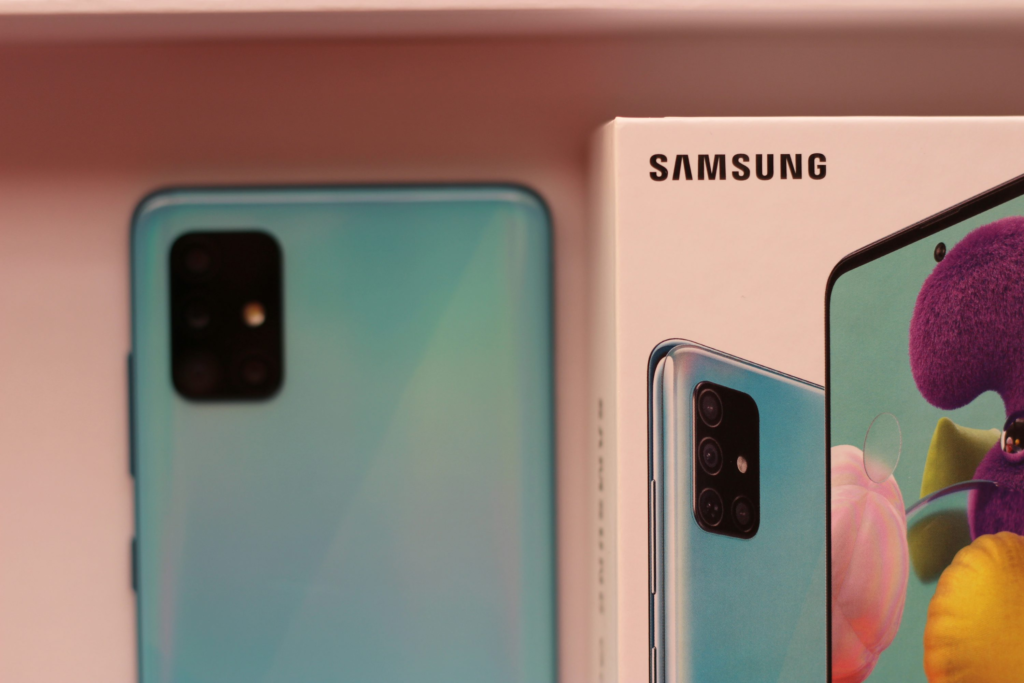
The most interesting alteration that the leak shows is that the camera layout is moving toward a circular shape, which is similar to the design on Samsung’s newest foldable models. Early internal renders show a configuration that seems more unified, with each camera lens on its own slightly higher island. This is a modest but important choice that shows Samsung’s desire to make the design language of all of its high-end devices the same. For anyone who keep up with Samsung’s yearly design trends, this change seems intentional, as if the corporation is secretly bringing all of its smartphone families together under one distinct visual code.
It looks like the Galaxy S26 Ultra’s shape is likely to change in a big way. The early render references show that the Ultra line will have smoother edges and a profile that is more inviting and less harsh, instead of the sharper, more angular shape that has distinguished the line in recent years. At first glance, the adjustment may not seem big, but anyone who has used an Ultra gadget for a long time knows that even slight changes in curvature can impact how it feels overall. People seem to think that Samsung wants the Ultra to keep its strong presence without feeling as stiff or industrial as it did before. The leak doesn’t clarify any precise specifics, like where the flash will go or what kind of texture finishes would be used, but it does show that Samsung is going for unity, smoothness, and subtle sophistication.
Even if design improvements are getting a lot of attention, people still demand a lot from the internal hardware. The test firmware doesn’t include exact specifications, but current industry predictions strongly suggest that Qualcomm’s next-generation Snapdragon 8 Gen 5 chipset will be used in many areas. Samsung is likely to keep using its dual-chip strategy by releasing a new Exynos chip in some areas. People think that the Ultra version will benefit the most from better camera hardware, while people who know say that computational photography will get big improvements. This makes sense because Samsung has been competing with manufacturers who are pushing hard for camera improvements for a long time. For years, those who love smartphones have argued about Samsung’s camera design, praising its dynamic range and versatility while clamoring for better low-light detail and color consistency. If the Galaxy S26 Ultra has the sensor and software improvements that are predicted, Samsung could take the lead in mobile image capabilities.
The One UI 8.5 test build’s software leaks provide us a better idea of how Samsung aims to grow its ecosystem, aside from the hardware. The new UI is based on Android 16 and is being called a polished update rather than a complete makeover. But for most people, small adjustments are often the most important ones. Early signs point to smoother transitions, faster response times when multitasking, and a more complex integration of Samsung’s AI-powered features. Today’s phones depend on smart software as much as on their basic specs, and Samsung seems to be putting more emphasis on this without losing stability. It looks like the new UI puts more focus on customisation by giving lock screens, widgets, and device-to-device continuity more options. The goal is to make the Galaxy line feel more fluid when switching between a phone, tablet, or wearable, which fits with Samsung’s larger ecosystem goals.
Samsung’s timeline is one useful thing we learned from the leak. The company’s S-series flagship phones usually come out early in the year, and the fact that early One UI 8.5 builds are showing up means that internal work is already well advanced. In the next few weeks, the Galaxy S25 line will likely get beta access to One UI 8.5. This will give Samsung time to improve the features before the S26 series becomes the first to come with the software as standard. People who have used Samsung’s incremental upgrades before know that these versions tend to make things smoother, stabilize background tasks, and make life easier in areas like animations, gesture detection, and adaptive battery management. The change from One UI 8.0 to 8.5 follows the same idea of making things work better instead of starting over from scratch.
This path feels familiar to people who have used Galaxy for a long time. Samsung has been shifting away from big, flashy design changes that get a lot of attention and toward smaller, less flashy improvements over the past few years. The S23 generation worked on making the look of the phones more consistent, the S24 generation worked on making AI work better, and the S25 generation is anticipated to make the phones run more smoothly and stay cooler. The S26 looks like it will keep this trend going, with a more developed version that builds on what came before it. It’s interesting to see how Samsung is slowly finding its rhythm after watching these yearly changes closely. Bold new features tend to show up first in foldables, while the S-series fine-tunes, perfects, and eventually takes design cues from the Z line that have already been tested.
The most interesting thing about the Galaxy S26 leak is how everything fits together. The circular camera rings are similar to the foldable lineup. The softened Ultra shape is easier to utilize. The revised software overlay’s goal is to create a smarter, more stable ecosystem experience. None of these improvements stand out as innovative on their own, but combined they show how Samsung’s priorities are changing. This company clearly knows how important it is to be steady, especially because smartphone innovation seems to be happening slowly across the board.