The process of the development of the iPhone camera has been repeating a pattern over years. Every generation is brought in with improvements and not revolution and the supply chain behind those cameras has been amazingly stable. This is why new rumours concerning the iPhone 18 are different. According to the recent reports, it is possible that Apple is on the verge of one of its biggest camera changes ever due to a surprising partnership with Samsung.
The redesign of the iPhone 18 camera has been a frenzied issue not due to the glitzy leaks or the over-the-top announcements, but because it is a version of a larger strategic change. Samsung, which has traditionally been seen as the most serious smartphone competitor of Apple is currently reported to be entering into Apple camera sensor supply chain. This is like the silent build-up of an industry observer who later realizes that it was such a big issue.
The industry sources point out that Samsung is preparing to produce high-end image sensors that would be used by Apple in the upcoming iPhones. Such sensors are said to be under development at Samsung semiconductor plant in Austin Texas. Even the location has been particularly remarkable. Apple has been diversifying and regionalising its supply chain, and taking a key item such as image sensors nearer to home fits the long-term plan pretty well.
What is more persuasive about this move is the magnitude of preparation being made. Samsung is reportedly set up specialised equipment to produce new sensors production line and in the process, it has been aggressively hiring engineers, technicians, and managerial employees to facilitate the process. This is not the kind of exercise that companies can perform in relation to a hypothetical project. It is indicative of the fact that the partnership is long since out of the realm of debate and into action.
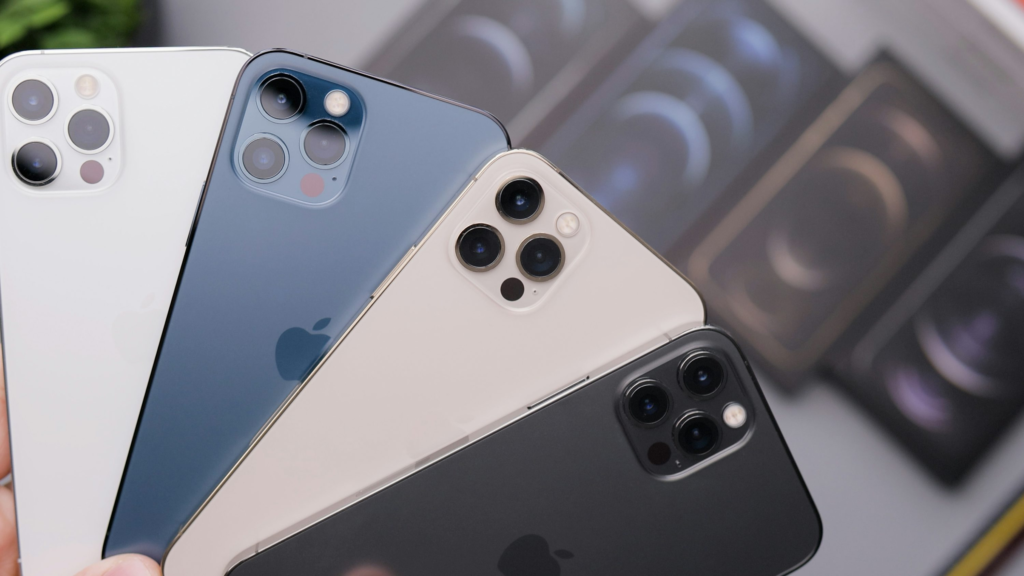
The center of iPhone 18 camera redesign is the new image sensor architecture. There has been reports of a three stack design exceeding the current stacked sensor technology. Simply stated, the method enables a greater number of elements to be stacked in the same area of physical space. Manufacturers can also build upwards by adding complexity and performance to the sensors instead of making them bigger.
The effects of this design are far-reaching. An increase in pixel density without having to make the sensor bigger may mean sharper images under adverse conditions. Low-light photography is one of the fields that Apple is already doing well in; a visible improvement could be observed. A better dynamic range would enable photos to have detail in the bright areas as well as deep shadows. A reduction in shutter lag may be made by using faster image processing, whereas power efficiency would enable the battery life to be increased when the camera is being used intensively.
The interesting fact is that this manufacturing process is not yet exploited in the large scale in the consumer smartphones. In case Samsung manages to take it to mass production on behalf of Apple, the camera overhaul of the iPhone 18 can be the real technological leap instead of the next level of improvements. It further reasons why Apple may consider going outside its long term associates to make this break possible.
In the beginning part of this month, Samsung was reported to advise the city council of Austin that it has chosen to invest about 19 billion dollars into its operations in the state. Although this investment does not focus on image sensors alone, it will provide background to the larger picture. It is estimated that it could be as early as March when a new sensor production line will be put up, but that large-scale production would probably start slowly at first. There is industry talk that the sensors will only be designed to suit Apple and a supply contract has been finalised several months ago.
Should these schedules be realized, the first iPhone in the 18 to have a Samsung-made camera sensor would be the iPhone 18, scheduled to be released in the first half of 2027. It would be an historic change. Sony has been iPhone image sensor supplier to Apple through more than ten years, and it manufactures its cameras in Japan, with the logistics typically organized by TSMC. The sensors which are created by Sony have been greatly applauded and the use of it by Apple has been regarded as one of the silent strengths in the consistency of the cameras in iPhone.
Apple would not make a light decision when it comes to shifting even a portion of that supply chain. This implies a need to lessen reliance on one supplier, enhance resilience to worldwide shocks, and possibly acquire technologies of sensor capabilities that are not yet provided at a large scale by Sony. The sale of production to the United States would also ease logistics and give Apple more control over the manufacturing process.
The camera is just a single component of the greater iPhone 18 narrative, although it can perhaps establish a theme throughout the whole collection. As well as having improved imaging, the iphone 18 will incorporate the next generation C2 modem by Apple. Wireless performance is one area Apple has toiled behind the scenes but has continued to do so, and a more efficient modem would enhance connectivity and battery performance and overall reliability over what is offered in the market.
The other interesting field of exploration is satellite connection. The iPhone of today has a few functions in satellite that include emergency and simple messaging. It is reported that Apple is researching how to advance this technology, which could see it provide full satellite-based telephony and data access in regions with no established cellular network. This would be a huge departure in the functionality of smartphones in far-flung areas and during crises, and would make Apple a leader in practical satellite communication to the end user.
There is also the prospect of performance gains. The A20 processor is planned to be introduced with the iPhone 18 line, which will have succeeded the A19 and the A19 Pro chip, planned to be used in the iPhone 17. Although the growth in raw speed is a given, efficiency and specialised functions like image processing, machine learning, and the on-device AI can all see meaningful improvements. These improvements would be in addition to the improvement of cameras, which would enable the hardware and the software to collaborate more efficiently.