Dominic Sessa is very early in his career, but he already understands what he wants to do with his life. The young actor, who got a lot of recognition for his role in The Holdovers, is very upfront about how much he loves holiday movies, especially Christmas movies. Sessa is doing the opposite of what a lot of actresses do these days, which is to be too closely linked to one genre. He is excited and clear about the festive branding, and he hopes to make a space that is both personal and lasting. He says with refreshing honesty that his objective is simple and bold: to become the next “Christmas king” of the movies.
Sessa’s love of holiday movies isn’t a planned way to market herself. It seems natural and honest, coming from a real love of the season itself. At the New York City premiere of his new Christmas movie, Oh. What. Fun., the actor talked about how this pattern has come up naturally in his brief but successful career. “I don’t know how this happened, but I’m going with it. I also really like Christmas. I want to be the king of Christmas. He said, “So, however I can be in a Christmas movie, I’m there.” The comment shows something that is unique among young actors: they don’t care about being typecast and are happy to present stories that make them happy.
The timing of Sessa’s aim is what makes it so interesting. He has only been in four movies so far, but two of them are already Christmas movies. Instead of seeing this as a coincidence, he views it as a sign. Christmas movies are different from other movies in that they focus on emotions. In an industry that generally values prestige dramas and transformative roles, Christmas movies are different. They give up depth for warmth, cynicism for comfort, and irony for honesty. Sessa seems to know that these movies are really important to people, especially during a time of year when people value comfort and familiarity as much as newness.
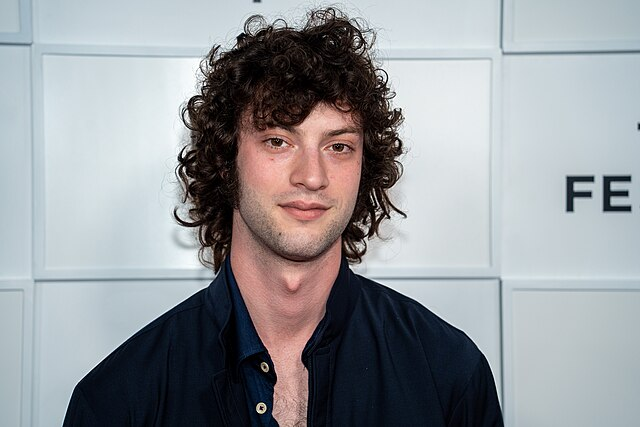
For a long time, holiday movies have been a place for actors to change their roles or discover lasting cultural significance. Christmas movies have a particular staying power, from actors who became known for holiday classics to those who came back year after year to deliver holiday stories. They are recalled by families every year, passed down from generation to generation, and weaved into family customs. For a new performer, this kind of repeated presence is unique since it gives them long-term visibility without the ups and downs of stardom that comes from following trends. Sessa’s wish to be linked to that legacy shows that he understands how spectators build emotional connections with actors.
His most recent movie, Oh. What. Fun., supports this path. Sessa plays Michelle Pfeiffer’s son in the movie. He shares the screen with an actor whose career has spanned decades and genres. The movie is about Claire Cluster, a lady who is left alone over the holidays when her family leaves her. What comes next is not a story of abandonment in the usual sense, but one of rediscovery and subtle defiance against what is expected of the season. Claire sets off on her own holiday adventure, free from the typical stress of hosting, organizing, and dealing with other people’s feelings, while her family tries to find her and save their Christmas preparations.
The story is clearly based on the Home Alone series, but it has a current, adult point of view. Oh. What. Fun. doesn’t focus on slapstick havoc. Instead, it looks at emotional freedom and the idea that Christmas doesn’t have to be about obligation. The official summary shows this change of tone by saying that Claire’s family doesn’t discover she’s missing until she’s already on an adventure that puts her own happiness and freedom first. It is a subtle but important change in how holiday stories are told, and it speaks to modern audiences who are dealing with changing family dynamics.
Sessa’s view of the season fits perfectly with being part of such a project. At their best, Christmas movies show how people feel as a group instead of as individuals. They talk about themes that go beyond age and background, like belonging, absence, reconciliation, and self-worth. He may not be the main character in the story, but his presence adds to the film’s emotional depth, especially as he is part of a family whose absence propels the tale along. Working with well-known actors also gives him a chance to grow in a genre that values group chemistry over individual showmanship.
Sessa’s desire to commit to a creative identity early on is what sticks out. Many actors avoid labels for years, but once public opinion has settled, they embrace them. Sessa is doing the opposite: he is clearly stating a preference and asking others to connect him with a certain feeling. In a time when there is too much content for viewers to handle, being clear might be helpful. In holiday movies, where expectations are very high, knowing that an actor always offers warmth, sincerity, and seasonal charm can help develop trust.
There are also limits to this method, though. Being intimately linked to Christmas movies could make it harder to get roles in other types of movies, especially as casting directors and moviegoers start to connect an actor with a certain tone. Sessa’s job will be to find a balance between holiday parts and roles that show off his range, so that his career stays broad instead of seasonal. His experience in The Holdovers, which had a more grounded and reflective tone, shows that he knows how to find this balance and can do so with thoughtfulness.